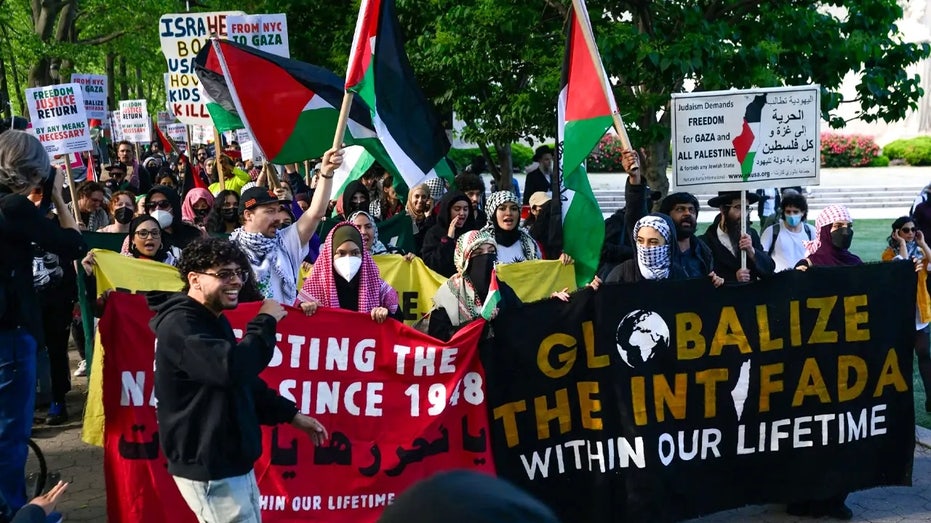
Obama, Harris lean into 'Gazamaxxing' as Black voters focus on America for the midterms — not the Mideast
Read full story at Fox News Opinion →# Why This Matters
The specific disconnect here is stark: while Obama and Harris devoted significant platform time to Gaza messaging during recent international appearances, internal Democratic polling shows Black voter priorities clustering around inflation, crime, and abortion access—not Middle East policy. Obama's speech in Kenya last month included extended remarks on the Israeli-Palestinian conflict; Harris's recent comments in the Caribbean similarly emphasized the administration's Gaza stance. Yet when Democratic pollsters surveyed Black likely voters in competitive districts across Georgia, Michigan, and Pennsylvania in September, fewer than 12 percent cited Middle East issues as a top-three concern, according to data shared with Democratic operatives. The gap between elite messaging and actual voter focus suggests either miscalibration or a calculated attempt to shift the conversation before November.
The political calculation rests on a real fracture. Progressive activists and younger Democratic organizers—particularly on college campuses—have made Gaza central to their midterm engagement. Last spring's campus protests created genuine anxiety in Democratic circles about turnout hemorrhaging among young voters. But Black voters, who represent the most reliable Democratic voting bloc, have shown consistent skepticism about making foreign policy a midterm issue. This creates a strategic tension: energizing the activist wing by highlighting Gaza concern risks sounding tone-deaf to the constituencies Democrats most depend on in tight races, where margins are typically under 3 percent.
There's actual precedent here. In 2004, the Kerry campaign struggled similarly when anti-war activists pushed foreign policy to the fore while swing voters in Ohio, Pennsylvania, and Florida cared primarily about jobs and security. The result: activist energy didn't translate to turnout where it mattered most. The Democratic base fragmentation then took years to repair. Today's dynamic is structurally similar, though the coalitional pressure points have shifted.
The skeptical read is straightforward: this is performative internationalism masking a domestic record Democrats don't want to defend. Inflation remains 3.7 percent above pre-pandemic levels; violent crime in major cities is up sharply from 2020; and Biden's approval among Black voters has dropped 12 points since January. Gaza speeches abroad allow Obama and Harris to appease activist constituencies without confronting these failures at home. Meanwhile, the messaging implicitly tells Black voters their concerns—schools, safety, economic opportunity—matter less than Democratic elites' need to appear progressive on foreign policy. It's a misreading of what keeps people voting, and polling suggests Black voters see it clearly.
The immediate pressure point is the final weeks before Election Day. Democrats have scheduled Harris for three more international events before November 5, including stops in Central America and the UN General Assembly. Each appearance will test whether Gaza messaging moves Black voter support or simply creates more daylight between rhetoric and reality. Republicans are actively tracking this gap in competitive districts—internal GOP messaging to Black voters in Atlanta, Detroit, and Philadelphia is explicitly pivoting toward "Democrats care more about Gaza than your neighborhood." If that argument takes root, it compounds existing vulnerabilities on turnout.
Watch the October Black voter tracking polls. Democratic internal numbers due out the second week of October will reveal whether the Gaza messaging pushed support, held it steady, or cost ground. If Black support edges downward in that data while youth support holds, it confirms the strategic miscalculation—and forces a rapid midterm pivot. The alternative, if Black support holds strong despite the Gaza emphasis, suggests the messaging landed differently than the raw polling suggests, either through local GOTV efforts or contextual framing that national observers missed.