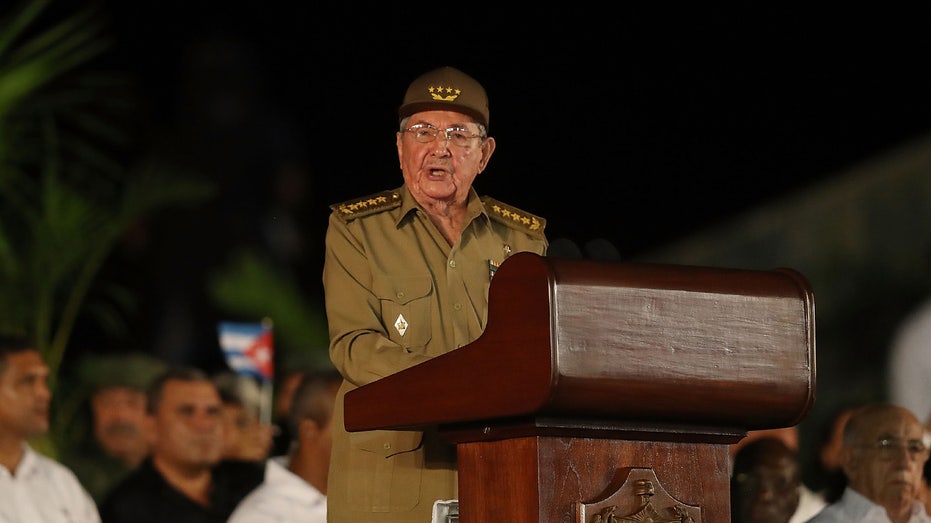
Cuban American lawmakers hail Raúl Castro arrest warrant, vow to keep fighting for Cuba’s freedom
Read full story at Fox News →A Florida judge issued an arrest warrant for Raúl Castro on December 16 for his alleged role in ordering the February 1996 shootdown of two civilian aircraft operated by the Miami-based group Brothers to the Rescue. The planes were destroyed by Cuban military jets over international waters, killing all four occupants: Armando Alejandre Jr., Carlos Costa, Mario de la Peña, and Pablo Morales. The warrant, filed in Miami-Dade County, charges Castro with conspiracy in an act of terrorism and violates the 1996 Helms-Burton Act, which allowed for legal action against perpetrators of attacks on U.S. citizens. The case was brought by Maggie Gonzalez-Abelleira, granddaughter of one of the pilots, after decades of limited accountability.
The immediate stakes are symbolic and jurisdictional rather than practical—Raúl Castro, now 93 and living in Havana under what amounts to protective custody, faces zero likelihood of extradition from Cuba, which maintains no mutual legal agreements with the U.S. on criminal matters. But the warrant carries weight for Cuban American families who have pursued justice for nearly 30 years. For the broader diaspora community, it represents validation that murders of civilians by the Castro regime can still trigger legal consequences, even if enforcement remains impossible. The warrant also affects potential financial liability: any Castro regime assets discovered in U.S. jurisdiction could theoretically be attached to settlements for victims' families.
Cuban American lawmakers, particularly those from South Florida, have seized on the warrant as a rallying point. Senator Marco Rubio and Representative María Elvira Salazar, both with direct ties to Cuba exile politics, called it overdue accountability. The warrant's issuance follows years of activism by victim families who rejected diplomatic niceties around the Castro regime. Unlike Cold War-era U.S. policy, which often prioritized diplomatic engagement over prosecuting historical grievances, this warrant reflects pressure from elected officials to treat Cuba's government as accountable to American law, not as a state actor shielded by diplomatic immunity.
The conservative argument here is straightforward: the Castro regime murdered four American citizens in a brazen act of state terrorism and faced no consequences for 28 years because previous administrations, under both parties, chose engagement and negotiation over accountability. The Obama administration's 2015 normalization with Cuba explicitly sidelined historical grievances—a concession that many Cuban Americans saw as a betrayal. This warrant corrects that calculus by asserting U.S. jurisdiction over acts of terrorism against citizens. It also establishes legal precedent that authoritarian figures don't get a pass for killing Americans just because they remain in power in their home countries.
What matters operationally is whether the U.S. government will formally recognize and enforce this warrant, which would place Cuba back on a legal footing closer to other designated state sponsors of terrorism. The Biden administration has not signaled support for the warrant, and the current political winds suggest diplomatic normalization interests will likely prevail. The concrete action to watch: whether any additional victims' families file similar charges, whether the warrant triggers asset seizures if any Castro regime money moves through U.S. financial systems, and whether a change in administration could shift enforcement priorities toward prosecution of historical regime crimes.