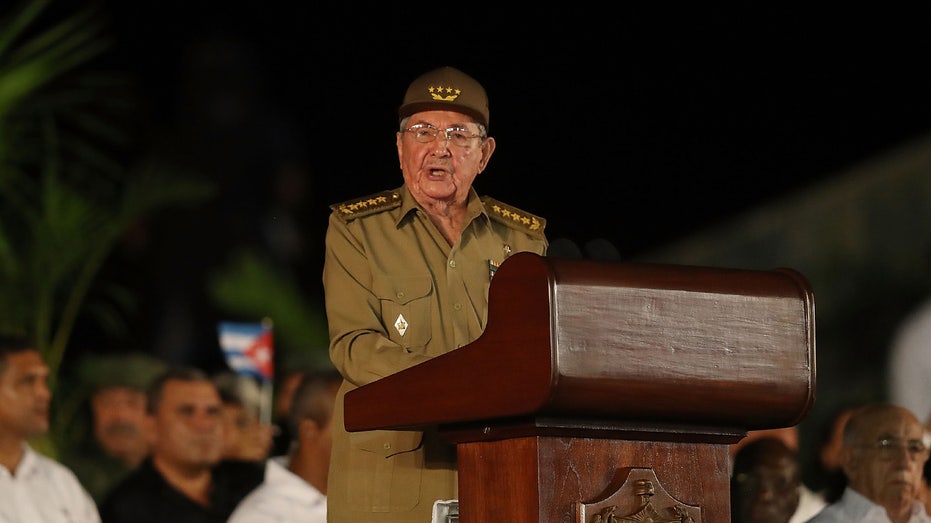
Cuban American lawmakers hail Raúl Castro arrest warrant, vow to keep fighting for Cuba’s freedom
Read full story at Fox News →A Florida judge issued an arrest warrant for Raúl Castro on November 29, 2024, charging him with conspiracy in connection with the February 1996 downing of two civilian aircraft operated by the Miami-based Brothers to the Rescue organization. Two U.S.-registered Cessnas were shot down by Cuban military jets in international airspace north of Cuba, killing four Americans and one permanent U.S. resident—all volunteers who had been dropping leaflets over the island. The warrant was filed in Miami-Dade County Circuit Court based on a grand jury indictment, with Cuban American lawmakers including Rep. Mario Díaz-Balart and Sen. Marco Rubio immediately hailing the development as validation of a decades-long push for accountability.
The practical impact is limited: Castro, now 93 and living in Cuba, will never see the inside of a U.S. courtroom unless he leaves the island, which is functionally impossible given his status and Cuba's political situation. What the warrant *does* do is create a legal marker for potential prosecution should circumstances change—if Castro were to travel internationally, face a regime change, or if Cuba ever normalizes relations with the U.S. in a way that includes extradition agreements. It also preserves the criminal record in perpetuity, preventing statute of limitations expiration and keeping the case formally alive in the American legal system. For the Cuban American community in South Florida, it's a symbolic victory after three decades of activism and Congressional pressure that previously went nowhere.
The 1996 shootdown was a genuine international incident that nearly sparked a major diplomatic crisis. The Clinton administration condemned it as an unprovoked act of aggression against civilians in international airspace, but stopped short of military retaliation. Cuba claimed the planes were conducting espionage missions, not humanitarian leaflet drops. The U.S. responded by tightening the embargo and passing the Helms-Burton Act, which codified restrictions on Cuba that remain in effect. The four men killed—Armando Alejandre Jr., Carlos Costa, Mario de la Peña, and Pablo Morales—became martyrs in the Cuban exile movement, their names invoked at every major policy debate about Cuba for nearly three decades.
The conservative argument here is straightforward: an authoritarian dictator who ordered the murder of American civilians in international airspace faced zero consequences for 28 years while he lived comfortably and died of old age unpunished—a standing rebuke to the idea that the U.S. is serious about holding hostile regimes accountable. This warrant, however symbolic, at least puts it on paper that the U.S. government formally recognizes what happened. More broadly, this reflects frustration that normalized relations with Cuba under the Obama administration proceeded without any reckoning for past atrocities, that the regime was rewarded with diplomatic recognition and loosened restrictions, and that American resolve on Cuba policy collapsed when it mattered most. The warrant represents the opposite approach: never let it go, never normalize without accountability, never allow a hostile actor to escape consequences indefinitely.
What happens next depends entirely on Cuban political succession and international relations. Raúl Castro's death would technically close the case, though his successors could theoretically face similar warrants if evidence supports it. The more consequential watch is whether the incoming Trump administration—which has consistently taken a harder line on Cuba than predecessors—will use legal mechanisms like this to increase pressure on the regime. Already, Rep. Díaz-Balart and other Cuban American Republicans are signaling they'll push for expanded prosecution efforts and tighter sanctions. Any thawing of U.S.-Cuba relations would immediately resurface this warrant as a negotiation point; conversely, continued hostility means it remains dormant but permanent.