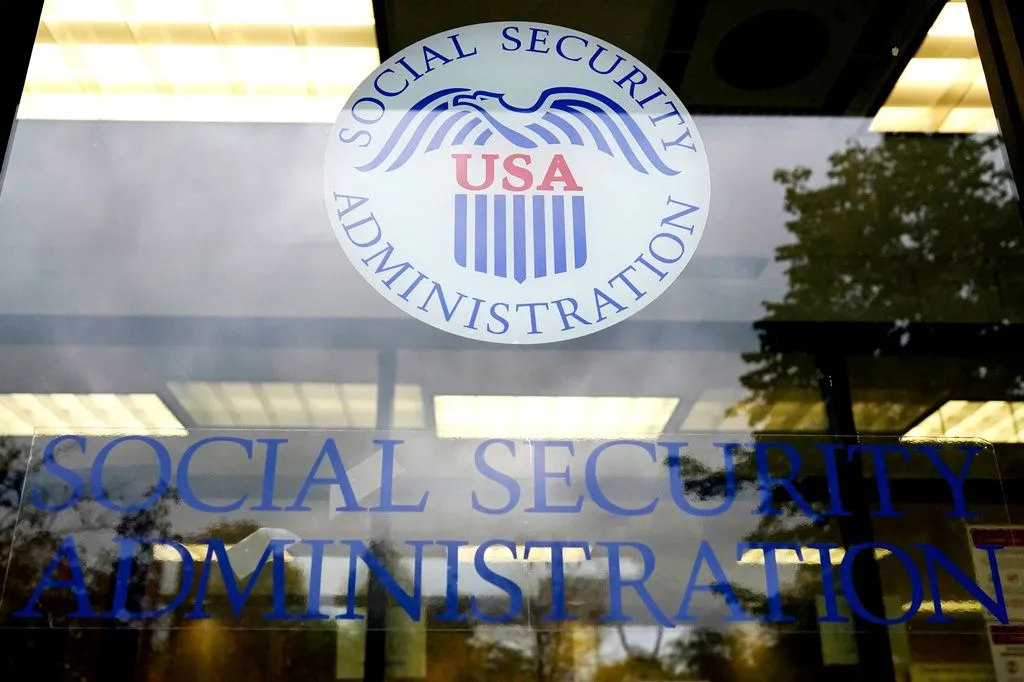
Social Security Administration updates millions of incorrect records
Read full story at Washington Examiner →The Social Security Administration disclosed this week that it has corrected nearly 60 million records in its master database—roughly 15 percent of all active Social Security numbers—fixing citizenship status designations, adding missing death dates, and cleaning up other administrative errors that had accumulated over decades. The scale is staggering: the SSA maintains records on approximately 390 million individuals, and the corrections span multiple databases the agency uses to determine eligibility for Social Security, Medicare, Supplemental Security Income, and other federal benefit programs. This is the result of a multi-year modernization effort, but the agency has only recently begun publicly quantifying how many records were wrong.
The practical stakes cut in multiple directions. For legitimate beneficiaries, outdated records mean delayed payments, incorrect benefit calculations, and bureaucratic nightmares when applying for or receiving benefits—particularly for naturalized citizens whose citizenship status was never properly updated despite decades of legal residency. For the government's fiscal exposure, the dirty data created avoidable vulnerabilities: incorrect death records meant some benefits continued flowing to deceased individuals, while citizenship miscoding could theoretically allow ineligible non-citizens to receive benefits, though SSA has not quantified how frequently this actually occurred. The agency has not released data on how many individuals were overpaid or underpaid due to these errors, or how much money was involved.
The conservative case is straightforward: this failure indicts the entire premise of massive centralized benefit administration. The SSA couldn't keep accurate records on 390 million people across basic categories like "alive or dead" and "citizen or non-citizen"—information that should be elementary. Yet this same agency is asked to administer trillions in benefits annually and coordinate with IRS, Medicare, and state welfare systems. If the SSA can't get its own database right after 90 years of operation, how should Americans trust expanding its role or centralizing more federal services under agencies that have proven they cannot manage their core functions? The error rate also suggests potential waste or fraud that went undetected for years simply because nobody was systematically auditing the quality of the underlying data.
What to watch: The SSA announced in March 2024 that it would continue this audit work, and Congress has oversight hearings scheduled for the fiscal year 2025 budget cycle. The key metric to follow is whether the agency can quantify how much money was paid in error due to these database problems and whether Congress demands recovery efforts or tightens record-matching protocols with other agencies. Additionally, monitor whether states begin cross-checking their own benefit recipients against the corrected SSA data—some welfare overpayments may be traced back to citizenship miscoding at the federal level.