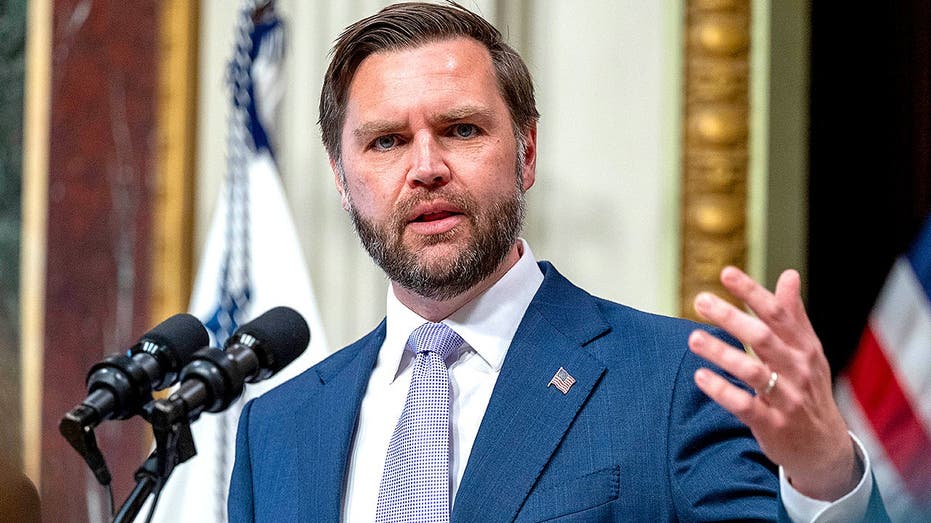
Vance-led task force set to unveil charges against 40-plus defendants in alleged $40M SNAP fraud
Read full story at Fox News →Vice President JD Vance's Department of Government Efficiency task force is moving toward unsealing charges against more than 40 defendants accused of orchestrating a $40 million fraud scheme targeting SNAP, the federal food assistance program formerly known as food stamps. The investigation centers on a network that allegedly exploited loopholes in how states administer benefits, converting federal assistance into cash through coordinated transactions across multiple retailers and states. The scope—measured in the tens of millions and spanning dozens of co-conspirators—marks one of the largest coordinated welfare fraud takedowns in recent years, with charges expected to roll out over coming weeks as the task force coordinates with federal prosecutors across multiple districts.
The mechanics matter here. Investigators allege the defendants used a combination of tactics: recruiting SNAP recipients to make purchases at complicit retailers, taking a cut of the benefit value as cash, then using the physical goods in secondary markets or reselling them back to stores. Some variants involved business shell accounts and point-of-sale manipulation. The actual dollar loss to taxpayers isn't theoretical—it's $40 million that was appropriated to feed low-income families and instead moved into criminal proceeds. States like New York and California, which administer large SNAP populations, appear to be focal points based on publicly available court filings related to similar schemes.
What's genuinely at stake cuts two ways. For the federal government, SNAP fraud is a measurable hemorrhage—the USDA estimates improper payments (fraud plus administrative error) at roughly 2-3% of the $200+ billion annual program spend, meaning this single scheme represents a meaningful slice of actual losses. For low-income households, fraud enforcement has direct consequences: tighter verification procedures, longer processing times, and increased scrutiny that can delay benefits for eligible recipients who have nothing to do with the scheme. The tension between catching criminals and not punishing the legitimate poor is structural and unresolved.
The conservative argument here is straightforward and doesn't require caricature: federal benefit programs leak money because oversight is fragmented across states that receive block grants with minimal accountability, and because retail enforcement has been anemic. When someone can walk into a store with SNAP benefits, convert them to cash at the register, and repeat the transaction 50 times across three states without triggering automated alerts, the system has failed its basic function. This isn't about denying poor people assistance—it's about the fact that $40 million in this one ring alone could have gone to actual recipients, and that loose administration invites both criminal exploitation and political delegitimization of the entire program. Tighter point-of-sale auditing and interstate data sharing should have been baseline years ago.
The immediate watch point is the charging documents themselves, expected within weeks. These filings will reveal the specific retailers involved—some may have knowingly participated, others may have had incompetent compliance operations. That distinction matters for both criminal liability and future regulatory action. Beyond that, track whether states respond with policy changes or whether this becomes a one-time prosecution while the underlying vulnerabilities persist. Finally, watch whether the Biden administration's USDA releases updated fraud statistics; the timing of a major takedown announcement often precedes new data on program integrity efforts, and those numbers will either validate or undercut the task force's implicit claim that this represents exceptional rather than systemic loss.