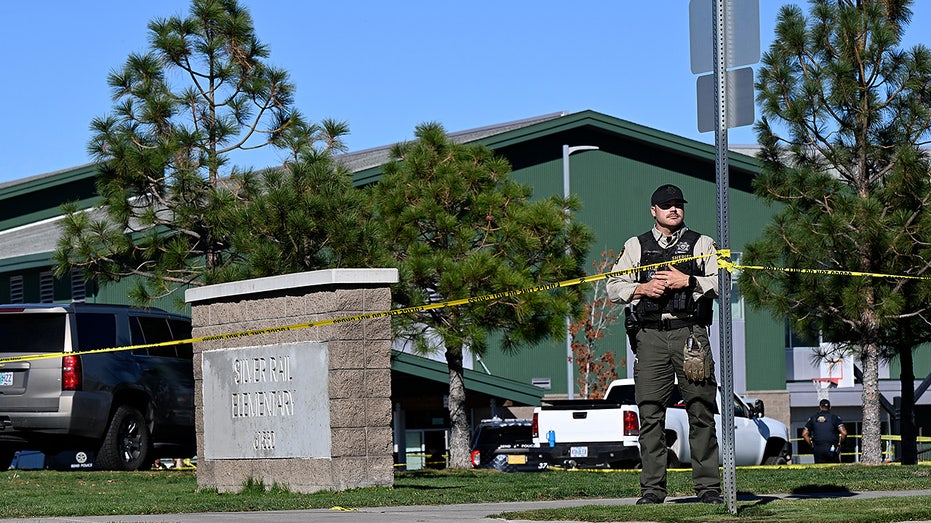
Democrats' latest gun-control push runs into inconvenient fact about how school killer was stopped
Read full story at Fox News →# Why This Matters
On May 24, 2024, a 34-year-old man opened fire in a rural Oregon high school, killing four people before being stopped—by an armed school resource officer on the grounds. That officer's immediate response meant the shooting lasted under a minute, preventing what could have been a massacre similar to Uvalde or Parkland. The incident exposes a fracture in the Democratic gun-control messaging that has dominated the post-Uvalde policy conversation: the shooter was stopped not by background check reform or red-flag laws, but by an armed person already present and authorized to use force.
Democrats have made gun-free zones a centerpiece of school safety rhetoric, arguing that eliminating armed presence reduces shootings. But the Oregon outcome—and similar incidents like the 2007 New Life Church shooting in Colorado Springs, stopped by an armed volunteer—undercuts that argument in ways that are difficult to reframe in subsequent legislative pushes. The shooter didn't choose the school because of weak background checks or lack of age restrictions; he chose a target and was neutralized before casualties mounted because defensive firepower was already there. This creates a messaging problem for advocates of a stricter gun-removal approach and a messaging opportunity for those arguing that security presence, not access denial, is the operative variable.
From a conservative standpoint, the Oregon shooting validates what Second Amendment advocates have argued for years: that gun-free zones create soft targets and that the presence of trained, armed personnel is what actually stops active threats. If the policy goal is reducing casualties in mass shootings, the evidence from Oregon suggests the problem isn't that Americans own too many guns—it's that schools lack adequate trained defensive capacity. The background-check debate becomes tangential when the real-time variable that matters is whether someone with authorization and ability to shoot back is present. Gun control advocates can point to the 45,000 annual gun deaths overall, but when forced to defend *school-specific* policies, they're now defending measures that were present during a shooting that ended well for reasons orthogonal to those measures.
The next concrete test will come in how Democratic legislators frame upcoming appropriations for school safety. If they continue doubling down on gun-removal rhetoric rather than pivoting toward armed resource officer funding and threat assessment infrastructure, they'll be making a policy choice that the Oregon precedent has now put directly in the spotlight. Congressional negotiations over the fiscal 2025 budget will show whether the party's legislative wing has absorbed this lesson or will continue routing funds away from armed security.