Bystander ‘heroically’ stops Oregon school shooter after four killed: What to know
Read full story at Washington Examiner →# Why This Matters
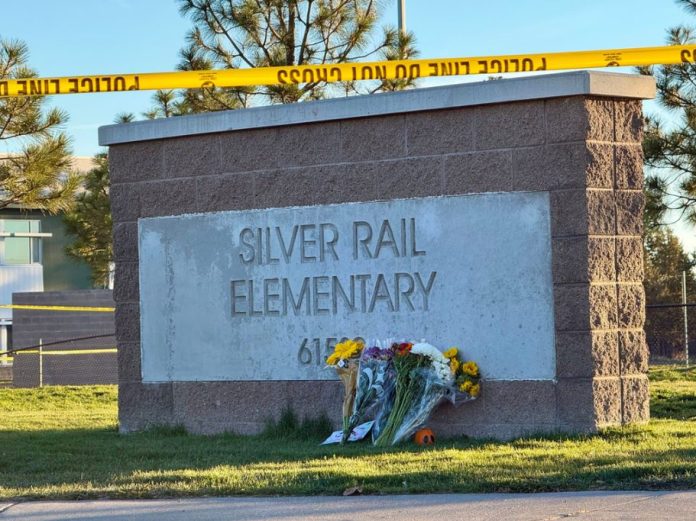
A 16-year-old walked into Silver Rail Elementary School in Bend, Oregon just before 1 p.m. Thursday with a shotgun and killed four people—three children and one adult staff member—before being shot dead by an armed community member who happened to be on school grounds. The bystander, whose identity has not been released, was not a school resource officer or trained security personnel but rather someone already present at the facility who engaged the shooter directly. Police have confirmed the shooter as John Griffin, 16, and said the armed civilian's intervention ended the attack within minutes. This is the critical detail that separates this incident from dozens of other mass shootings: the time between when gunfire started and when the threat was neutralized measured in moments, not hours.
The specifics matter because they expose a hard truth about school safety that cuts across the usual political divides. Griffin entered one of Oregon's most populous school districts during operating hours with zero resistance until a private citizen with a firearm decided to act. The school had no metal detectors, no armed security detail, and presumably no locked doors that stopped a teenager from entering with a loaded shotgun. Once inside, he had time to kill four people before facing any real obstacle. The presence of that armed bystander—whether by coincidence, routine, or intentional preparedness—collapsed the window between attack and response from what could have been much longer to minutes.
This echoes the 2007 New Life Church shooting in Colorado Springs, where a volunteer security officer named Jeanne Assam, carrying a concealed weapon while serving as a volunteer greeter, confronted an active shooter and ended the attack before he could reach the church's main sanctuary where a youth group was meeting. Assam had no formal law enforcement training but had a firearm and willingness to use it. Like Thursday's incident in Bend, the outcome hinged on armed presence rather than police response time—and both cases show what happens when that presence matters.
The Second Amendment reading here is straightforward: the only thing stopping this attack was another armed person. The shooter had no legal right to own a firearm at 16 and was clearly willing to cross legal lines. No background check prevented his access to the shotgun. No gun-free zone sign stopped him. What stopped him was someone with a weapon who was willing to use it. This is precisely the scenario gun-rights advocates point to when arguing that armed citizens, not restrictions on law-abiding gun owners, provide real security. The narrative of "the only thing that stops a bad guy with a gun" isn't theoretical here—it played out in real time Thursday in Bend.
Watch for three things: first, the shooter's identity and how he obtained the shotgun—this will determine whether this was a theft, straw purchase, or an adult providing it. Second, the identity and background of the armed bystander—whether he was a parent, employee, regular visitor, or armed security operating off-books. Finally, the specific timeline of the shooting from first shot to gunfire ending, which police typically release in detail within 48-72 hours. That timeline will reveal whether the response was truly minutes or whether response time was substantially longer than initial reports suggest. Oregon Gov. Tina Kotek has already indicated this will spark a renewed push for gun control legislation in the state despite—or because of—the fact that a civilian with a gun ended this particular attack.