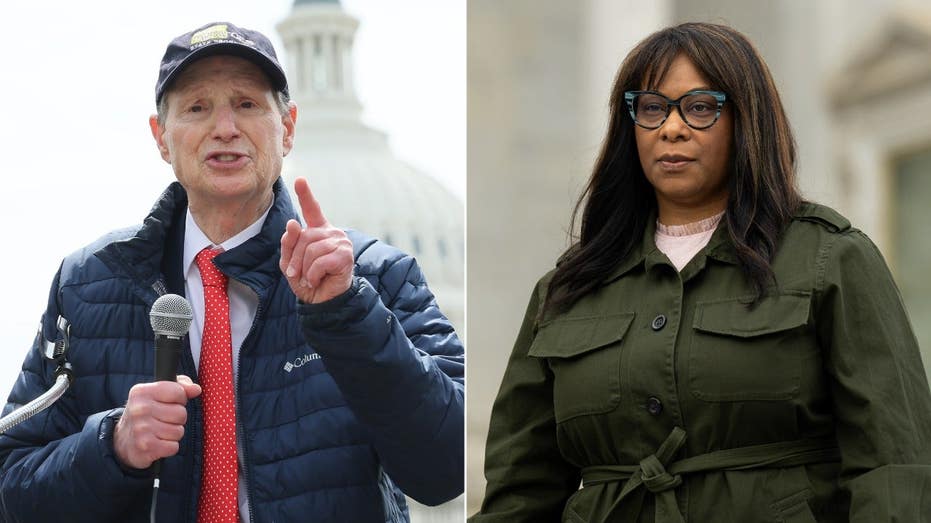
Democrats call for gun control after Oregon school shooter reportedly uses shotgun purchased by his mother
Read full story at Fox News →# Why This Matters
On October 16, a 16-year-old entered Silver Rail Elementary in Bend, Oregon with a shotgun and killed four people—three children and a teacher—before an armed community member confronted and stopped him. The weapon belonged to his mother. The incident has immediately triggered calls from Democratic lawmakers for renewed federal gun restrictions, particularly around straw purchases and parental liability for firearm storage. Oregon already has some of the nation's strictest gun laws, including universal background checks and a permit-to-purchase requirement, yet the shooting still occurred. This collision between existing state-level restrictions and the incident's facts has made clear that what Democrats are actually seeking is a different legal apparatus: one that criminalizes parents for how firearms are stored in their homes and potentially restricts the ability of adults to own weapons their adult-aged (or near-adult-aged) children might access.
The specifics matter because they define what Democrats are proposing to change. A 16-year-old obtained his mother's shotgun. The weapon wasn't reported stolen. There's no indication it was purchased with the intention of placing it in his hands. This means current straw purchase laws—which target buyers who acquire guns on behalf of prohibited persons—wouldn't have caught this. What Democrats are now advocating would shift liability to the gun owner for how a family member uses or accesses their property, a legal framework that extends criminal responsibility in ways that have no exact parallel in other constitutional rights contexts. A few states including California have experimented with mandatory storage laws, but enforcement has remained minimal and constitutional challenges are pending.
The political backdrop is crucial. Oregon voted for Democratic statewide control in 2022. Democrats hold supermajorities in both chambers of the legislature. They passed a package of gun restrictions in 2021 and 2023. Yet mass shootings have continued. The pattern—stricter laws followed by incidents that still occur—has created pressure on Democrats to escalate beyond the regulatory models that already exist. They're now moving toward storage liability and parental culpability laws that would effectively make gun ownership riskier for millions of law-abiding Americans with teenagers in their homes. The conservative argument is straightforward: Oregon's existing gun laws didn't prevent this. New restrictions that penalize lawful ownership won't either. The responsibility lies with the individual who committed the act, not with regulatory schemes that treat every gun owner as a potential criminal waiting to fail at safekeeping requirements. A 16-year-old who walked into a school with a shotgun made a conscious choice to do so. Criminalizing his mother's property rights won't address whatever motivated that choice.
The intervention by an armed bystander is itself instructive and underreported. The shooting was stopped not by the armed school resource officer or police response time, but by a community member who was present and willing to confront the shooter. This detail cuts against the narrative that more restrictions on law-abiding owners are the lever for prevention. It suggests the operative factor was readiness and willingness to engage, not the removal of firearms from civilian hands.
Watch for the Oregon legislature's response in the 2025 session, which begins in February. Democrats have already signaled movement toward storage liability bills. The key measure will be whether any such law includes criminal penalties for parents and whether it creates civil liability for accidental access—mechanisms that would represent an unprecedented expansion of criminal responsibility for how adults store property in their homes. Federal action is less likely given divided government, but look for Democrats to push Biden-era executive orders on storage as a model. Any court challenge to a new state storage liability law will also reshape the legal landscape; this isn't settled constitutional ground.