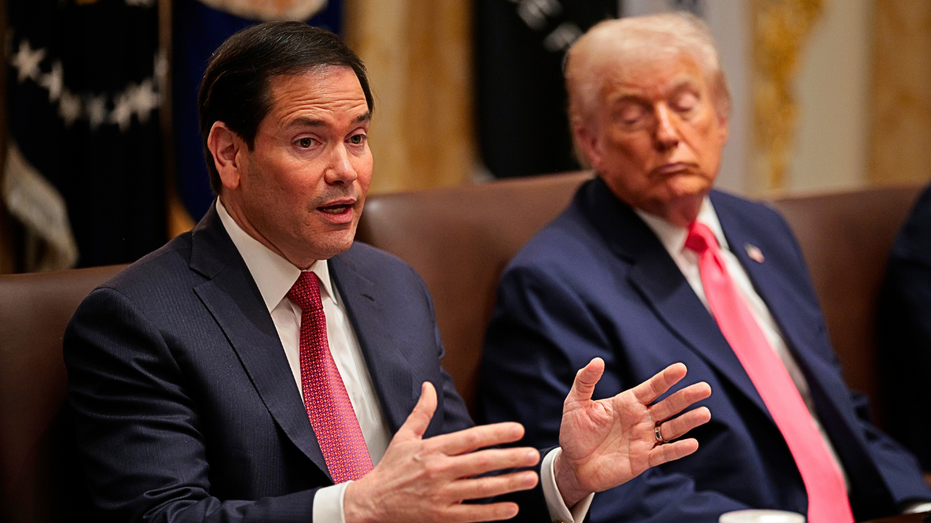
Federal judge blasts Rubio’s 75-country visa freeze as ‘Orwellian,’ strikes down policy
Read full story at Fox News →Judge John Cough of the U.S. District Court for the District of Columbia issued a preliminary injunction Tuesday blocking Secretary of State Marco Rubio's January 27 directive that suspended immigrant visa processing for 75 countries deemed to have inadequate document security or counterterrorism protocols. The freeze affected roughly 200,000 pending visa applications and prevented the State Department from adjudicating cases for applicants who had already cleared background checks, security vetting, and been deemed eligible for immigration. Rubio issued the order under his authority to manage diplomatic operations, but Cough found no statutory basis for denying visas to people already approved under existing law—a distinction that separates administrative discretion from arbitrary power.
The practical stakes are immediate and personal. Families with approved visas now face indefinite separation. A Ghanaian businessman whose wife and children were cleared to join him in Atlanta couldn't board them on flights. A Syrian refugee family passed all security reviews and waited two years only to have their file frozen. These aren't hypothetical cases—they're documented in the court docket. Beyond individual cases, the ruling affects State Department operations across diplomatic missions in countries like Nigeria, Pakistan, Bangladesh, and Egypt, which collectively process some of the highest visa volumes. Visa adjudications had resumed for thousands of applicants in the past week after the freeze went into effect.
Cough's "Orwellian" language—invoking the totalitarian language-control of *1984*—points to the structural problem he identified: Rubio retroactively applied new eligibility criteria to people whose applications had already been approved under the old criteria. This reverses the normal administrative process. Typically, new rules apply prospectively to future applicants. Applying them backward to approved cases collapses the distinction between law and administrative whim. The judge noted that applicants had no notice of changing standards and no opportunity to respond to new requirements they suddenly failed to meet through no action of their own.
The administration's reading is straightforward: visa security matters, and countries with weak document controls genuinely do pose screening challenges. Rubio's team argues that classified intelligence justified the freeze and that Secretary of State power over visa policy is broad. They'd say 75 countries with inadequate biometric or document verification systems shouldn't be waved through just because paperwork was filed. This isn't racism—it's asking why applicants from countries with poor security infrastructure get faster processing than applicants from countries with ironclad vetting systems. The judge's ruling, from this angle, privileges bureaucratic procedure over security judgment calls. The fact that someone passed a background check under old standards doesn't lock in that approval if standards reasonably change.
The next move lands with the State Department's appeal, likely filed within 60 days to the U.S. Court of Appeals for the D.C. Circuit. Rubio's office will argue that Cough's ruling ties their hands on a core national security function. Meanwhile, the injunction means visa processing resumes for those 75 countries immediately—applicants can expect calls for interviews within weeks. Watch whether the administration revises the freeze with a narrower scope (maybe 30 countries instead of 75, or a temporary suspension tied to specific security improvements) to survive judicial review, or doubles down on the full list with a classified-information supplement arguing the judge got it wrong. The appeals court's decision will define how much deference judges owe Secretary of State national security calls versus statutory limits on visa authority. That matters because every future administration will want to know what freeze mechanism actually sticks.