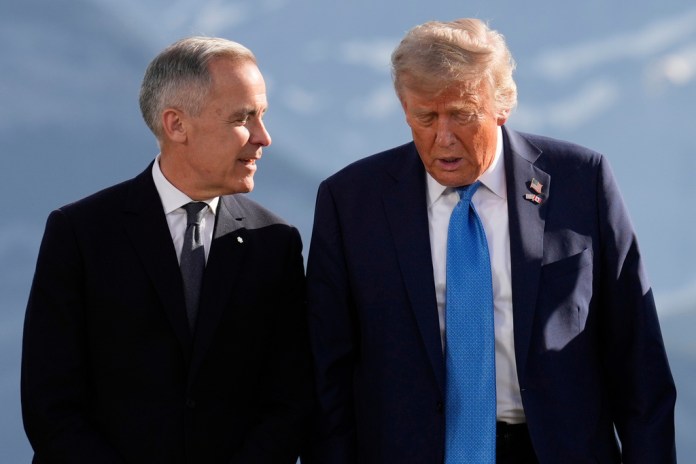
US-Canada trade deal collapses as Trump’s 50% tariffs go into effect
Read full story at Washington Examiner →Trump's 50% tariff on Canadian goods went live Friday night after negotiations collapsed despite a late push from both sides. The administration had set a midnight deadline, and when Canadian negotiators couldn't meet Trump's demands—which centered on border security commitments and energy concessions—the tariffs kicked in automatically on roughly $28 billion in annual Canadian imports. This represents the broadest tariff action against the country in decades, affecting everything from automobiles and machinery to agricultural products and timber. Canadian PM Justin Trudeau's government immediately announced retaliatory tariffs on American goods, setting up a tit-for-tat cycle that will ripple through integrated supply chains on both sides of the border that have operated tariff-free since NAFTA took effect in 1994.
What's actually at stake here goes beyond headline economics. American consumers will see price increases on everything from gasoline to lumber to car parts within weeks—Canada supplies roughly 15% of U.S. oil imports and dominates softwood lumber and agricultural exports. For manufacturers like Detroit automakers, which operate on just-in-time inventory systems with parts flowing back and forth across the border hourly, these tariffs create immediate operational chaos. Parts that crossed duty-free yesterday now carry a 50% tax. Canadian exporters face the same squeeze in reverse. The ransom demand is explicit: Trump wants Canada to accept restrictions on its energy exports and make unspecified "border security" commitments. Trudeau's team clearly calculated they couldn't capitulate without domestic political devastation, so they let the deadline pass.
The pattern here echoes Trump's steel tariff gambit of 2018, when he hit Canada with 25% duties on steel and aluminum, triggering a retaliatory spiral that lasted months before a negotiated settlement. That earlier tariff war cost U.S. manufacturers billions and never generated the manufacturing renaissance Trump promised—instead, it pushed costs upstream. The difference now is Trump appears willing to sustain this longer. He's already signaled these tariffs are negotiating theater rather than permanent policy, but he's set no off-ramp, no clear terms for removal, and no deadline for talks. That ambiguity is the weapon.
The populist case for this move is straightforward: Canada has undercut American workers for 30 years through NAFTA, running a trade surplus while importing cheap labor benefits. The border has become a sieve for fentanyl and irregular crossings, and Ottawa has done little. If Trump's tariffs force Trudeau to actually secure the border and renegotiate trade terms that favor American manufacturing and agriculture, they're working as intended. From this view, the temporary pain on consumer prices is acceptable friction for restructuring a lopsided relationship. The administration's core argument—that previous presidents accepted a bad deal and did nothing while Canada profited—has empirical backing: Canada does run a persistent trade surplus with the U.S., and border security metrics are objectively weak on the Canadian side. Whether tariffs are the right tool is a separate question, but the underlying complaint isn't invented.
Watch for Canada's retaliatory tariffs to take effect—they're expected to hit within days and will target bourbon, orange juice, and other politically sensitive U.S. goods designed to pressure Republican lawmakers in affected states. The real tells will come in the next 72 hours: Does Trump signal a path to negotiations, or does he wait for Canadian pain to mount? A deal could come as fast as it collapsed if Trudeau moves on border enforcement and energy, but if Trump sees political benefit in sustained pressure, this could drag into weeks. The stock market, which disliked the tariff announcement, will signal whether investors believe this is theater or structural shift. Monitor the CAD/USD exchange rate—capital flight from Canada would suggest markets see this as more than temporary leverage play.