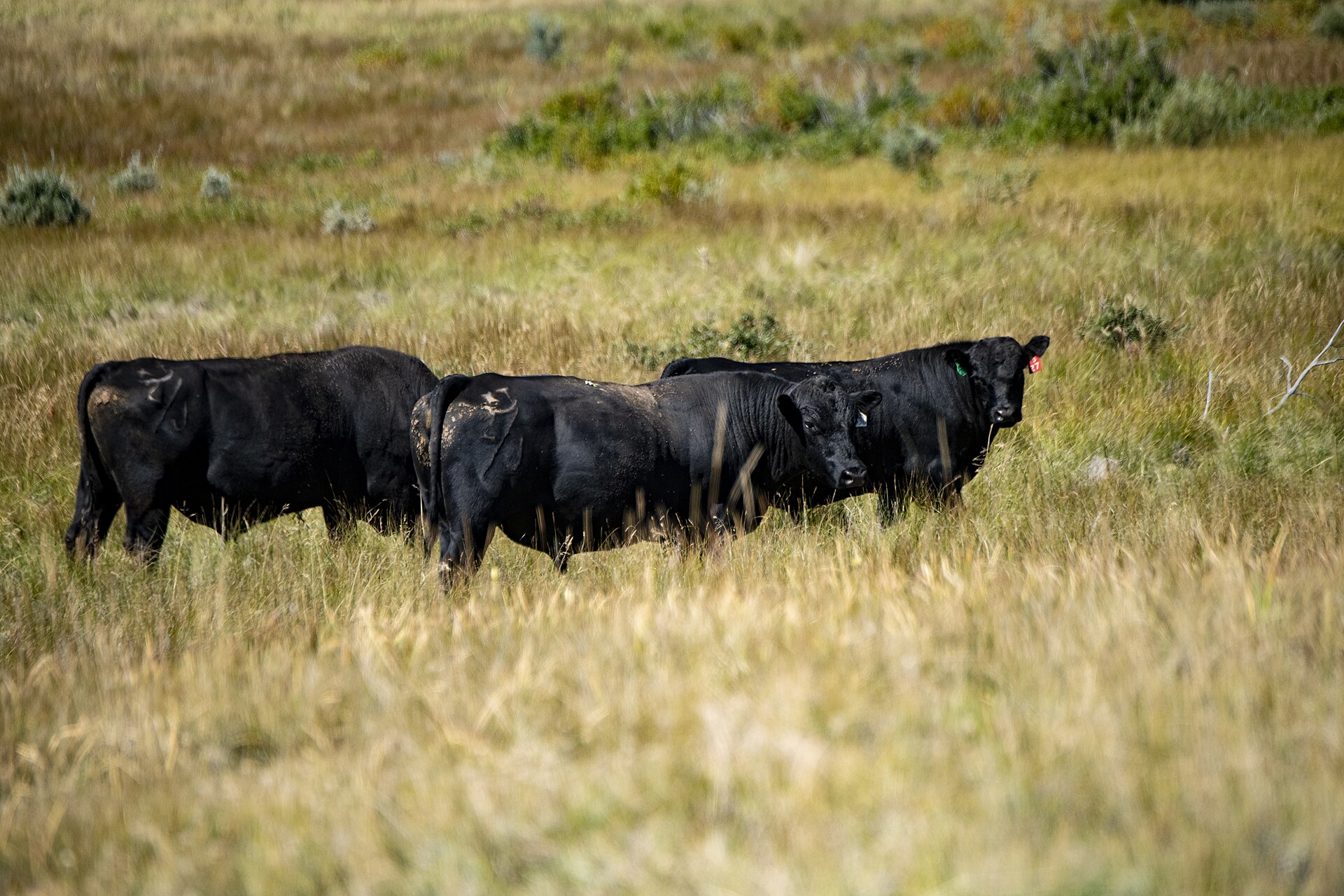
If Trump Wants To Reduce Beef Prices, He Should Help Struggling Farmers Grow Their Herds
Read full story at The Federalist →# Why This Matters
Beef prices have climbed 24 percent since 2020, hitting levels that make ground chuck a genuine household budget item rather than an afterthought. The USDA reported the national cattle herd at 94.4 million head in January 2024—the lowest count in 30 years. This isn't random inflation. It's the direct result of a decade-long squeeze: consecutive droughts in Texas and the Great Plains forced ranchers to liquidate breeding stock, especially heifers (young females needed to replenish herds). Once those animals are gone, rebuilding takes years, not months. A heifer takes two to three years to reach breeding age and produce her first calf. The structural problem isn't shortage of meat in storage or corporate price gouging—it's that the breeding foundation itself has eroded.
Trump campaigned hard on the "cost of living" and promised to bring down grocery prices fast. The problem is there is no fast fix for beef. A tariff or price control would create artificial shortages by making production unprofitable. What actually works is incentivizing ranchers to hold onto breeding stock instead of selling it for immediate cash. This requires either direct payments to producers who retain heifers, subsidized feed during droughts to reduce forced liquidations, or tax breaks for cattle operations reinvesting in herd expansion. Australia used such mechanisms after its own herd collapse in the 2000s and saw recovery within five years.
The Trump administration faces real pressure to show results before the 2026 midterms. There's an obvious temptation to chase short-term optics—blocking meat imports, jawboning processors, or declaring victory on some temporary price dip. But ranchers know the difference between theater and actual relief. Many are already operating on razor-thin margins; Texas ranchers spent 2023-2024 paying record hay prices to keep cattle alive during drought. A policy that actually rebuilds the herd would have genuine staying power politically and would address the root cause rather than the symptom.
The Biden administration's approach was largely passive: occasional drought aid but no systematic attempt to incentivize heifer retention. One notable parallel is the George W. Bush administration's cattle crisis intervention after 2000-2001, when it combined direct payments with feed assistance programs. The strategy wasn't perfect but did help stabilize herd numbers during a vulnerable period. A similar toolkit—targeted, substantial, and framed around production rather than charity—could work now.
What to watch: Trump's Department of Agriculture secretary (likely to be confirmed in early 2025) will set the tone here. The key metric is whether the administration's first USDA policy moves include heifer retention incentives in the Farm Bill framework or through emergency appropriations. Ranchers' organizations like the Cattlemen's Association will signal whether they view proposals as genuine or cosmetic. The next cattle inventory report comes in April 2025—if numbers show continued decline into spring, it means rebuilding won't begin until 2026 at earliest, meaning beef prices stay high through the midterms regardless of what Trump announces.