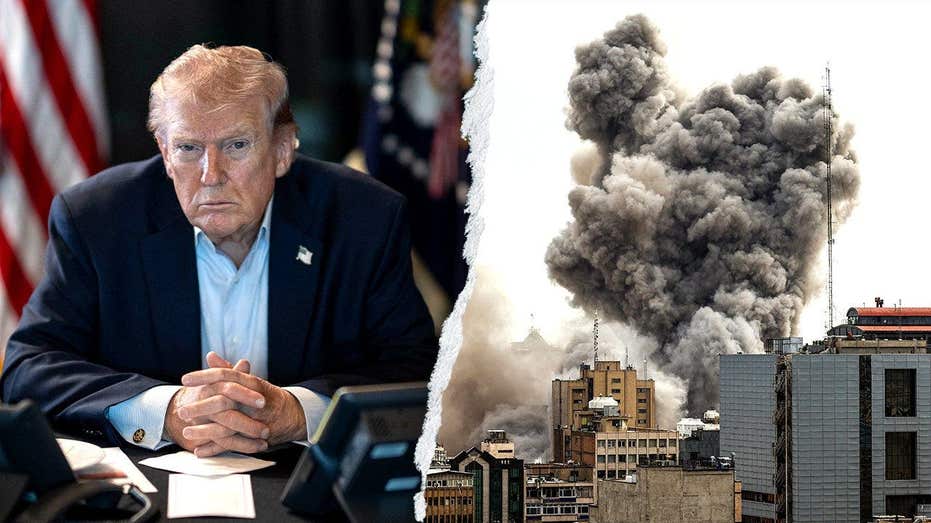
AMB GORDON SONDLAND: Our allies enjoyed a free ride trading with Iran. Trump is shutting that down
Read full story at Fox News Opinion →# Why This Matters
Gordon Sondland, the Trump-appointed U.S. Ambassador to the EU during the first administration and a central figure in the first impeachment, is arguing that European allies have spent decades profiting from trade with Iran while relying on American military and economic protection. The mechanism he's describing involves the secondary sanctions regime Trump deployed against Iran—specifically the August 2018 reimposition of sanctions that targeted not just Iranian entities but foreign companies doing business with Iran. Under this framework, European banks, energy companies, and shipping firms face a choice: maintain Iranian business relationships or keep access to dollar-denominated transactions and U.S. markets. Sondland's framing treats this as corrective, not punitive—a forced reckoning after what he characterizes as a one-sided arrangement.
The concrete stakes are substantial. European banks including BNP Paribas, Deutsche Bank, and others face OFAC penalties (the Treasury Department's Office of Foreign Assets Control issues fines in the billions for sanctions violations). The EU created the Instrument in Support of Trade Exchanges (INSTEX) in January 2019 precisely to circumvent this pressure, but it has remained largely ineffective—processing minimal trade volume precisely because companies fear U.S. retaliation more than they value the Iranian market. France, Germany, and the UK attempted to preserve the 2015 JCPOA (Joint Comprehensive Plan of Action) after Trump's May 2018 withdrawal, but without access to dollars or U.S. business, their efforts withered. Trump's incoming administration signals it will intensify this pressure, not relent.
The conservative argument here is straightforward: European nations lectured America on multilateralism and rule-of-law while simultaneously accessing Iranian markets through financing schemes and energy deals, all protected by the American security umbrella through NATO. They wanted the economic benefits of defying U.S. Iran policy without the risk. Sondland is essentially saying that arrangement is finished—if you want U.S. market access, dollar clearing, and American military commitment to your continent, you don't get to simultaneously fund the Iranian regime through back channels. This isn't novel doctrine; it's enforcing the secondary sanctions regime that already existed. The question is whether allies will actually comply or continue testing American resolve.
What happens next hinges on European corporate behavior under intensified enforcement. The Treasury Department under Trump 2.0 will have a new sanctions coordinator and renewed political will to prosecute violations. Watch for: (1) whether major European energy companies like Shell or TotalEnergies divest Iranian holdings; (2) the fate of the Pars LNG project Iran is developing (does any foreign company continue involvement?); and (3) whether European banks resume processing Iranian transactions (the actual flash point for enforcement). The EU may formalize counter-sanctions, but without dollar access, those have limited leverage. The real deadline is Trump's first batch of executive orders on Iran policy, likely within the first week of the administration.