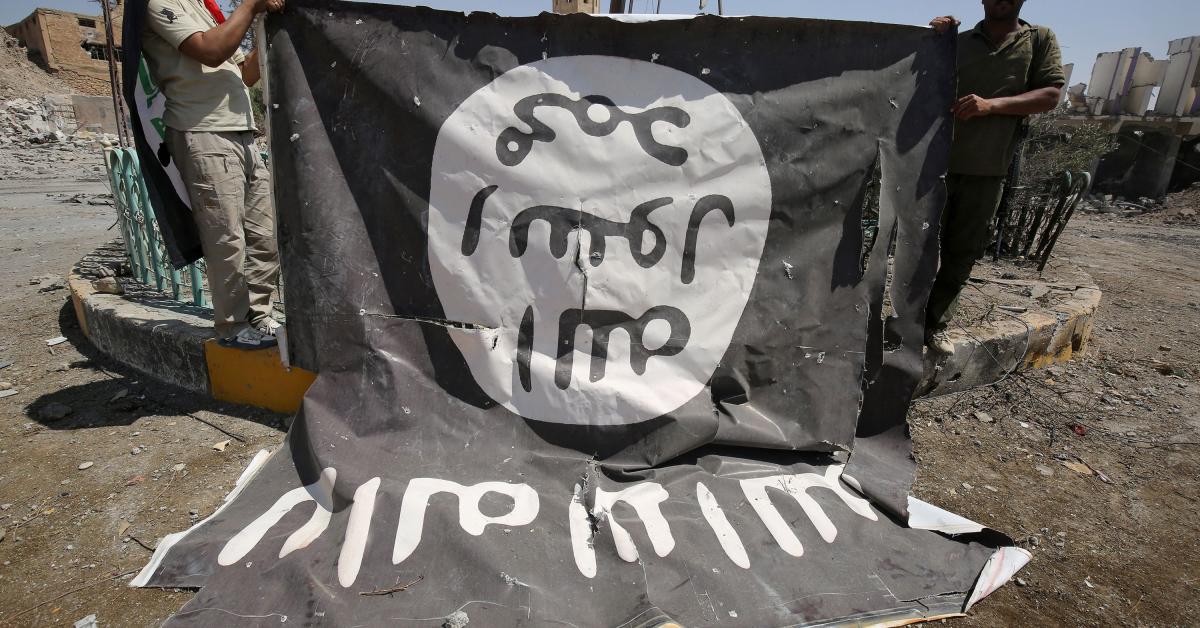
Alleged ISIS-inspired plot to bomb New York State Capitol a reminder of terror group’s persistence
Read full story at Just the News →Kristina Salen, 22, was arrested in December after a months-long FBI undercover operation that caught her allegedly attempting to purchase what she believed were real explosives to detonate inside the New York State Capitol in Albany. According to court documents, Salen had been consuming ISIS propaganda online since at least mid-2023, progressed to pledging allegiance to the group through encrypted messaging apps, and then took the concrete step of surveilling the Capitol building—photographing entrances and researching security protocols. An undercover FBI agent posing as an ISIS operative facilitated the weapons transaction, leading to her arrest before any actual bomb components reached her hands. She faces federal charges including attempting to provide material support to a designated foreign terrorist organization and weapons-related counts.
What makes Salen's case particularly unsettling is the speed and ease of her radicalization pipeline and the proximity she achieved to her target. She went from online radicalization to operational reconnaissance in roughly nine months, never meeting ISIS operatives in person, never traveling to conflict zones, and requiring only the anonymity of a laptop to progress from sympathizer to would-be attacker. The Capitol building isn't a distant military installation—it's where 150 state senators and assembly members work, along with hundreds of staff. A successful attack would have been a direct strike on New York's legislative branch and a visceral demonstration that domestic terror threats have evolved from airport security theater into state government vulnerability.
This echoes the pre-2017 pattern of ISIS's strategic shift toward encouraging lone-actor attacks. After losing territorial control in Iraq and Syria, the group's media wing began explicitly recruiting Western recruits specifically for domestic attacks in their home countries. Salen represents that exact blueprint executed: self-radicalized, minimally connected to any formal terror network, completely domestic in scope, and motivated by ideology consumed through commercially available platforms rather than traditional recruitment. The difference between her and actual successful attackers like those in San Bernardino or Orlando in that era is often just the luck of law enforcement catching the digital trail early enough.
The conservative argument here is straightforward: this is what happens when tech companies are allowed to function as radicalization pipelines without meaningful content moderation or cooperation with law enforcement. Salen didn't need to know anyone—she needed only access to social media platforms where ISIS content circulated freely and encrypted messaging apps where she could pledge to attackers. The FBI had to go undercover because platforms themselves weren't shutting down her activity before she got that far. The question isn't whether radicalization happens; it's why social platforms continue hosting the exact propaganda that triggers it, and whether tech's claimed partnership with law enforcement actually extends to aggressive surveillance of extremist recruitment.
What happens next matters more than the arrest itself. Salen's case will set precedent for how aggressively federal prosecutors pursue home-grown ISIS cases in the post-territorial-caliphate era. Her sentencing recommendation will signal whether the Justice Department views online radicalization of young women specifically as a novel enough threat category to warrant enhanced penalties. Beyond that, watch for whether Congress uses this incident as leverage to push the Online Safety Act or similar legislation that would increase corporate liability for radicalization content—something the tech industry has successfully blocked repeatedly despite cases like this one. The immediate legal question is whether Salen's detention will be upheld pending trial; her lawyer is likely already filing to argue the case against her relies too heavily on FBI-supplied materials. The broader question is whether a 22-year-old in Albany taking selfies outside the Capitol while pledging to a dead caliphate represents a genuine mass-casualty threat or the expected noise in a surveillance state actively seeking out the unstable.