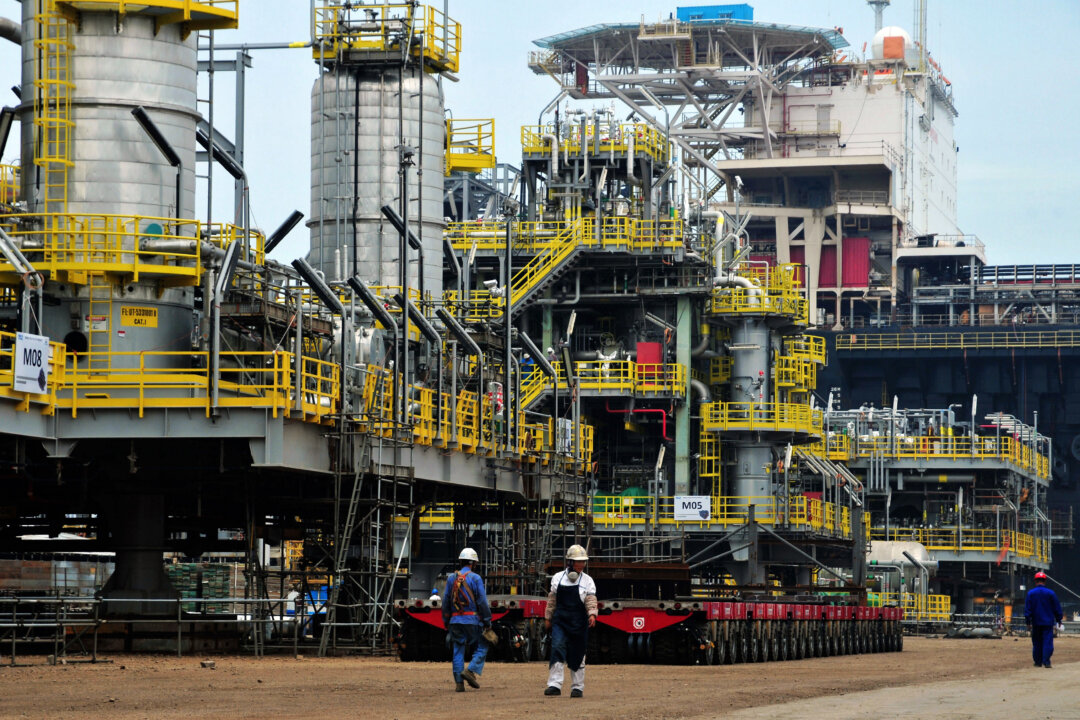
Chinese Buyers of Iranian Oil Face Even Tougher US Sanctions
Read full story at Epoch Times →# Why This Matters
The Treasury Department's Office of Foreign Assets Control announced a new sanctions regime in early December targeting the shipping networks that move Iranian crude to Chinese refineries—specifically penalizing vessels, insurance brokers, and port operators involved in the trade rather than just the oil producers themselves. This represents a fundamental shift in enforcement strategy: rather than sanctioning Iranian sellers or Chinese buyers directly (moves that would trigger immediate diplomatic blowback), the administration is choking the logistics pipeline. China imported roughly 650,000 barrels per day of Iranian oil in 2023, making it Iran's single largest customer and a critical revenue source for Tehran's government.
The mechanism matters more than it first appears. Previous Iran sanctions targeted the commodity itself or the entities producing it. These new restrictions target the middlemen—specifically insurers and ship operators who move the oil through international waters. Since most international shipping insurance is underwritten in London and P&I clubs operating under UK law must comply with US sanctions or face secondary penalties, Chinese shipping companies have few alternatives. A single tanker caught violating the new rules faces seizure of vessels worth $100-200 million and criminal liability for company officials. This creates a penalty structure where the commercial risk of moving Iranian oil becomes economically irrational even without an outright ban.
China has spent two decades building relationships with Iran specifically to diversify energy supplies away from Middle East conflicts and reduce dependence on the Strait of Hormuz chokepoint. That strategy depended on treating Iranian oil as a normal commercial commodity. The sanctions move is directly designed to make that calculation impossible—forcing Beijing to choose between Iranian energy independence and access to Western financial systems. Chinese state refiners have already begun reducing Iranian purchases in anticipation, though complete substitution of that volume would require either increased purchases from Russia (politically complicated after the Ukraine invasion) or acceptance of higher energy costs.
The conservative argument here is straightforward: Iran's government funds Hezbollah, the Houthis, and Iraqi militias—groups that attack American interests and allies. Every dollar Iran earns from oil sales is a dollar that can be redirected to missile programs or proxy operations. If China wants to be a reliable partner on regional stability and nuclear proliferation, it cannot simultaneously be the primary financier of Iranian military expansion. The previous administration's "maximum pressure" campaign cut Iranian oil exports from 2.5 million barrels per day to near zero. The current approach achieves similar results through mechanism rather than confrontation—denying Iran the sale rather than declaring it illegal. China gets to maintain diplomatic relations while the economic reality makes the trade untenable.
Watch for two concrete developments: First, the volume of Iranian oil reaching Chinese ports over the next 90 days will signal whether the sanctions are actually constraining supply. If China's imports fall below 400,000 barrels per day by March, the policy is working as designed. Second, watch whether Beijing retaliates through its own counter-sanctions on American companies or accelerates its own alternative shipping insurance framework—Chinese state insurers have been attempting to build Iran-compliant underwriting capacity for years. That move would be the actual confrontation point: a parallel financial system that breaks dollar dominance.