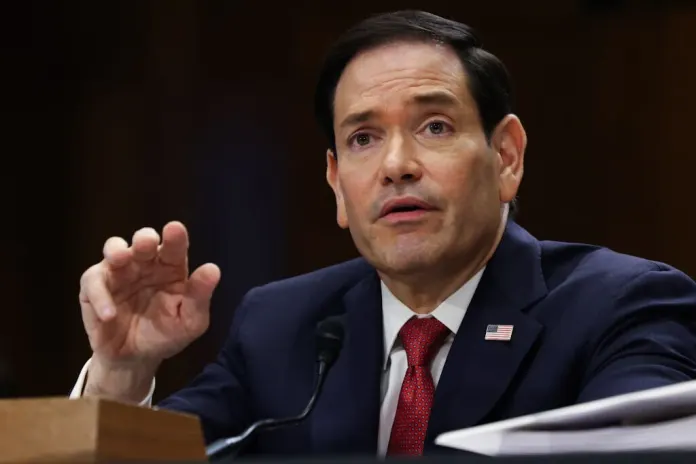
DOJ says Rubio should have final say over Foreign Service board in latest bid to tighten executive powers
Read full story at Washington Examiner →The Foreign Service Grievance Board has functioned since 1980 as an independent appeals mechanism for diplomats and career State Department employees facing termination or discipline. Under current rules, the board—composed of career Foreign Service officers and State Department employees—can issue final decisions that override the Secretary of State's initial disciplinary actions, barring only the most extreme circumstances. The Justice Department's Office of Legal Counsel opinion issued Friday argues this structure violates executive authority and that Rubio, as Secretary of State, should retain ultimate decision-making power over any appeals outcome. This isn't bureaucratic shuffling. The grievance board has historically protected career diplomats from political purges—a function that becomes consequential when administrations change or when officials fall out of favor with leadership.
The stakes are immediate and threaten the job security of roughly 10,000 Foreign Service officers and specialists. Under the current system, a State Department employee fired by Rubio can appeal to the independent board and, if successful, force reinstatement despite the Secretary's original decision. The DOJ opinion would flip this entirely: Rubio's judgment becomes final, with the board reduced to an advisory role. This matters because it clears a legal path for mass terminations of career diplomats without meaningful independent review. During Trump's first term, similar efforts to bypass civil service protections sparked the "resistance" narrative among government workers. Now the administration is building the legal scaffolding to prevent that resistance from having institutional teeth.
The Foreign Service Grievance Board precedent traces to reforms after the McCarthy era, when diplomats were purged based on loyalty questions rather than performance. Congress structured the board as an intentional check against political witch hunts within State Department ranks. The Board's independence was explicit: Congress wanted career professionals to answer to professional standards, not to the political winds of each new administration. The Trump administration's push to collapse this distinction—making the Secretary's political judgment final in personnel matters—reverses 40 years of post-McCarthy consensus about protecting institutional expertise from weaponization.
From the conservative reading: career bureaucrats have spent decades using "independence" as cover to obstruct presidential directives and shield themselves from accountability. If the President won the election on a mandate to reshape foreign policy, why should unelected career diplomats retain veto power over his Secretary of State's personnel decisions? The current system allows entrenched officials to appeal their way back into roles where they'll continue slow-walking or sabotaging administration policy. Giving Rubio final say isn't "politicizing" State—it's clarifying that elected leadership, not permanent bureaucracies, sets the department's direction. A president shouldn't need to negotiate with an employee grievance board to implement his foreign policy.
The next move is concrete: this DOJ opinion is not self-executing. State Department officials and affected employee unions will challenge it in federal court, likely arguing it violates the Administrative Procedure Act and statutory protections for civil service employees. The appeals would probably land before the Federal Circuit or D.C. Circuit within weeks. Separately, Congress still has authority over Foreign Service rules and could legislatively reinforce the board's independence—though Republicans control both chambers, making such action unlikely. Watch for the State Department to formally announce new grievance procedures implementing the DOJ guidance; that announcement will trigger lawsuits and define the actual terms of the coming fight over whether career government employees retain any structural protection against political personnel decisions.