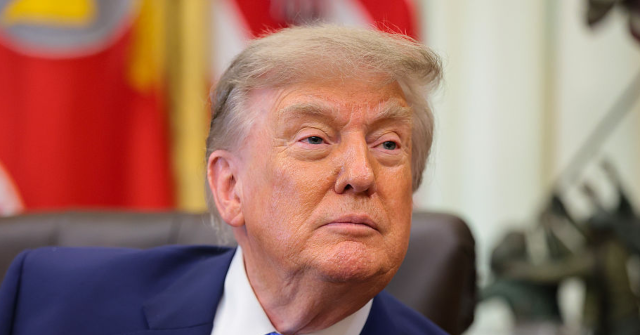
Trump: U.S. Will Lift Tariffs for 90 Days on 300K Metric Tons of Ground Beef Imports
Read full story at Breitbart →Trump's 90-day tariff holiday on 300,000 metric tons of ground beef represents a significant crack in his tariff maximalism—and a direct response to pressure from the cattle industry, which has spent two years absorbing the costs of his trade wars. The announcement came as beef prices remain elevated: ground beef averaged $5.33 per pound in December 2024, up roughly 25% from pre-pandemic levels. The U.S. cattle herd has contracted to its smallest size since 1951, with ranchers culling breeding stock due to drought and feed costs, creating a genuine supply shortage that domestic production cannot fill.
The mechanism matters here. Rather than impose new tariffs on imported beef—which would follow Trump's pattern from his first term and his 2024 campaign promises—he's selectively lifting existing duties to allow a specific volume of imports. This is a tactical retreat disguised as pragmatism. The 300,000 metric tons over 90 days translates to roughly 660 million pounds of ground beef hitting the market, enough to modestly suppress prices without permanently dismantling the tariff structure he's promised to rebuild.
For consumers, this is immediate relief—expect downward pressure on ground beef prices within weeks as imports reach processors. For domestic ranchers, it's a mixed signal. The tariff lift acknowledges that American producers cannot meet domestic demand at current herd levels, which is honest. But it also signals that Trump will prioritize affordability over the protective regime ranchers expected. The American Meat Institute and National Cattlemen's Beef Association will read this as a negotiating opening: accept some imports now to avoid blanket tariffs later.
The conservative case is straightforward: Trump is protecting domestic beef infrastructure from collapse under the weight of prices that would destroy consumer demand entirely. A 300,000-metric-ton window is a circuit breaker, not surrender. It keeps tariffs on the table as leverage for trade negotiations while preventing the kind of domestic supply crisis that destroyed manufacturing capacity after 2008. The alternative—maintaining full tariffs while ranchers culled herds and packers lost market share to cheaper chicken and pork—would have been economically destructive and politically unsustainable heading into 2026 midterms.
The precedent here is Reagan's negotiated "voluntary export restraints" with Japan in the 1980s: temporary carve-outs that maintained the appearance of protection while solving immediate market problems. Reagan used those openings to restructure domestic industries. Trump appears to be testing whether he can do the same with beef.
Watch for the 90-day window to extend. The tariff announcement will come after this waiver expires—that's when the actual negotiation happens. If Trump uses this period to pressure South American producers (primarily Brazil and Argentina) into commitments on labor or environmental standards as a condition of permanent market access, the tariff lift becomes part of a larger deal structure. If it just rolls over without conditions, it means domestic supply pressures won and tariff maximalism is already retreating.