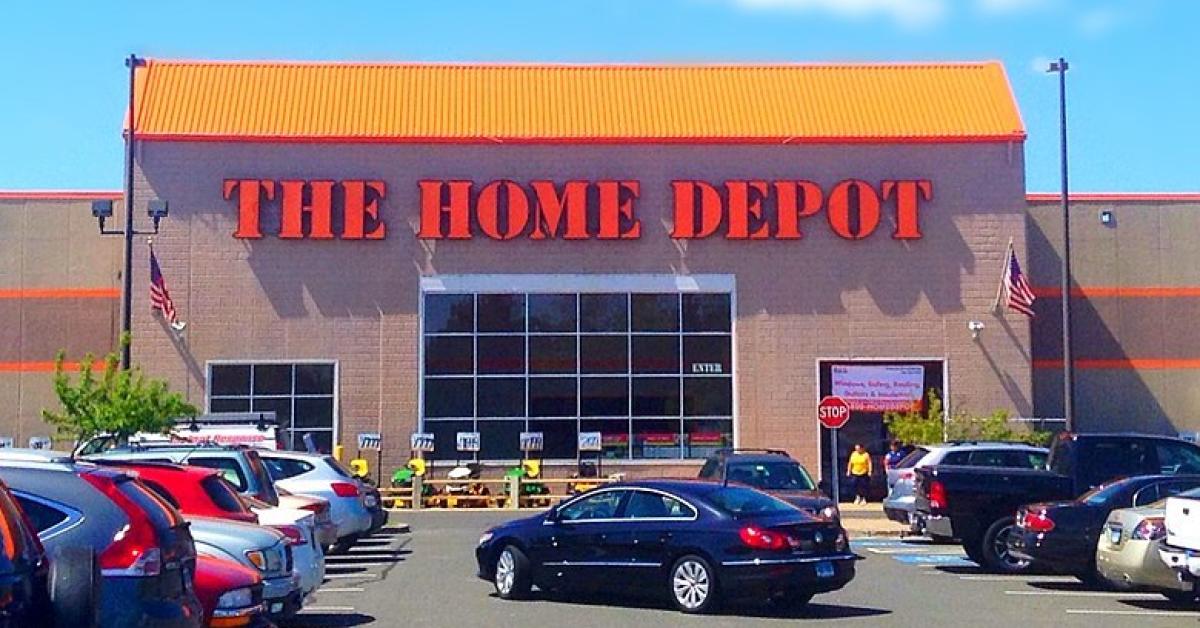
NY Muslim convert accused of planning bombing with parts bought from Home Depot in ISIS plot
Read full story at Just the News →# Why This Matters
Afsana Khan, a 21-year-old Muslim convert from Queens, was arrested after federal agents say they found her stockpiling materials for an explosive device—including fuses, batteries, and other components purchased from Home Depot and other retail stores. The FBI had been conducting surveillance for five weeks when they moved in, operating undercover as ISIS recruiters to document her intentions. Khan allegedly told informants she wanted to conduct an attack on U.S. soil and discussed targets including police officers and government buildings. The case hinges on whether she crossed the line from online radicalization into concrete operational planning, which determines whether prosecutors can prove intent to commit an attack rather than just express support for extremism.
The specific materials matter legally. Khan didn't possess actual explosives or weapons—the components she purchased are dual-use items available to anyone. This is why federal investigators need to prove she intended to assemble them into a working device and that the undercover operation captured genuine criminal intent rather than entrapment. The government will need to show she understood what she was building, had the capability to do so, and wasn't simply repeating rhetoric fed to her by informants. Home Depot purchases and online rhetoric alone don't constitute conspiracy to commit a bombing; the prosecution must demonstrate she moved from talk to preparation with specific purpose.
The five-week surveillance window is short in counterterrorism cases and raises questions about what triggered the urgency. If Khan was expressing support for ISIS online but hadn't yet acquired specialized materials or made specific threats, the FBI's decision to activate undercover operatives suggests either new intelligence about imminent activity or a pattern of behavior indicating escalation. Court documents will need to show whether she initiated contact with extremist networks or whether she was recruited into them through the investigation itself. This distinction determines whether the case represents genuine threat prevention or whether it resembles controversial post-9/11 stings where the FBI provided materials and ideological scaffolding to suspects with unclear criminal intent.
The conservative read is straightforward: a convert to Islam who radicalized online, purchased bomb components, and discussed attacking Americans in coordination with ISIS—this is exactly the domestic terrorism threat law enforcement is supposed to prevent. Home Depot doesn't sell functional bombs; Khan had to intend to weaponize these materials. The operation shows the FBI doing its job before someone dies. The operative distinction isn't whether she was "entrapped"—she expressed genuine intent to authorities, and agents responded. The question isn't whether to prosecute but whether prosecutors can make the case stick, which depends on proving she understood what she was building and wasn't merely playing along with informants.
Watch for the discovery phase in the coming weeks, when defense attorneys will file motions seeking all communications between Khan and undercover operatives. Those transcripts and messages will show whether she initiated violence or was guided toward it. The critical moment arrives if Khan's lawyers move to dismiss based on entrapment claims—if a judge agrees the government manufactured the conspiracy, the whole case collapses. Separately, any appeals or civil suits after conviction could reshape how FBI undercover operations in radicalization cases are conducted. The case will also influence how aggressively federal prosecutors pursue online radicalization without accompanying material acquisition, since Khan's conviction or acquittal will signal how far rhetoric needs to progress toward action before it becomes prosecutable.