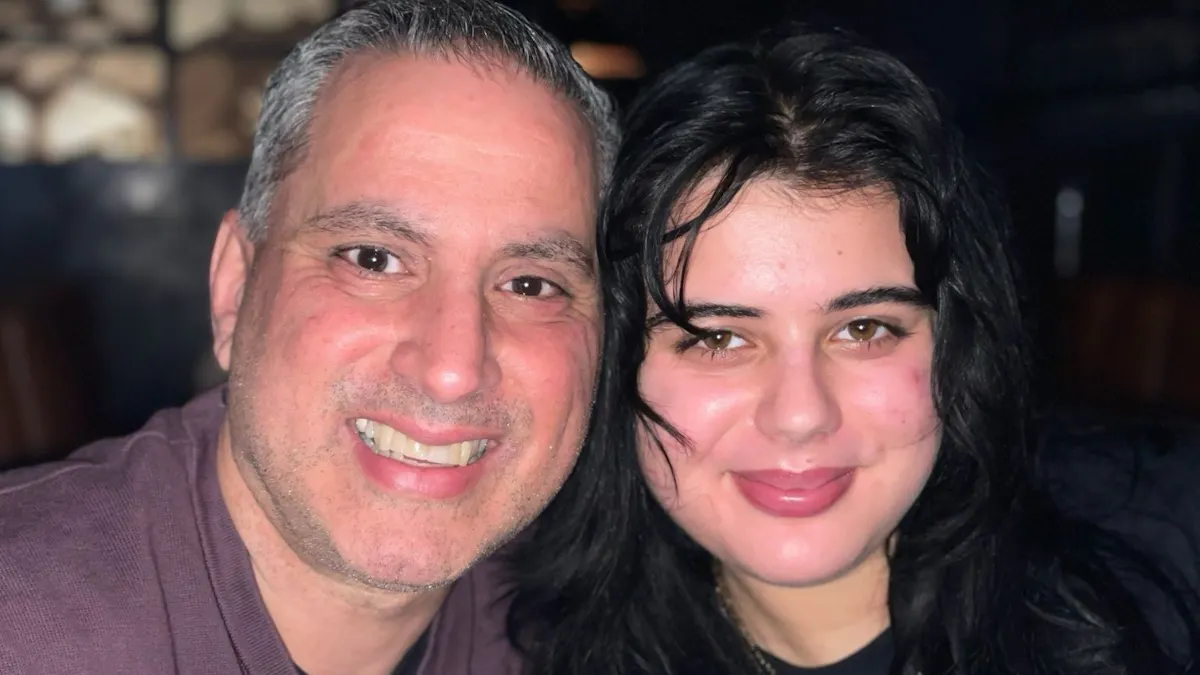
Trump Admin Taps Angel Dad For ICE Position
Read full story at Daily Wire →Joe Abraham's daughter Katie was killed in 2012 by Edwin Ramirez, an illegal immigrant who was driving drunk in Fairfax County, Virginia. Abraham has spent the last twelve years as the public face of what immigration restrictionists call "angel families"—parents who've lost children to crimes committed by undocumented immigrants. His appointment as executive director of VOICE puts him in charge of an office created by Trump's first administration in 2018, tasked with documenting and supporting victims of crimes committed by immigrants in the country illegally. The position gives Abraham direct access to ICE data, resources, and institutional machinery to identify, track, and publicize these cases—something he's done independently and often controversially for over a decade.
The stakes here are straightforward: VOICE has been a marginal bureaucratic office under Biden, but with Abraham running it, it becomes a visible platform for a specific immigration narrative. Abraham has built his reputation partly through selective case amplification—choosing which crimes get maximum visibility and which don't. When he's had a microphone, he's used it to argue that any immigration enforcement lapse is directly responsible for preventable deaths. Now he has the federal apparatus to institutionalize that framing. For immigration advocates, this signals that the administration intends to make immigrant crime the emotional centerpiece of its immigration message, regardless of whether immigrants commit crimes at higher or lower rates than native-born citizens (data shows lower rates, but Abraham's focus is on absolute numbers and preventable cases, not comparative risk).
This mirrors the structure Nixon and Agnew used in the early 1970s with crime messaging—creating institutional platforms to surface and amplify specific categories of criminal cases to shape public perception of a threat. The difference is VOICE has access to real ICE databases and can compel cooperation from field offices to generate case files systematically. Abraham isn't just a spokesman; he's now an administrator who can direct resources toward documentation and publicity of cases that fit his brief.
The conservative argument here doesn't require the claim that immigrant crime is epidemic—it's simpler. If an American child dies at the hands of someone who shouldn't have been in the country in the first place, that death was preventable through enforcement. A person like Abraham, who has lived that loss, operating within the system rather than outside it shouting, represents the principle that immigration policy should be accountable to families who've paid the ultimate price for enforcement gaps. From this view, the only scandal would be if someone without Abraham's direct stake in the issue were running the office. His appointment is a correction.
Watch for VOICE's output starting in February. The office will likely begin releasing monthly or quarterly reports documenting crimes committed by deportable immigrants—arrest data, conviction data, victim counts. These numbers will form the baseline for the administration's immigration messaging through 2025. If VOICE's reports show a sharp increase in documented cases, that's partly because the office is now resourced and focused; interpret the trend line accordingly. Also track whether field ICE offices comply with VOICE requests for case data—resistance from career staff could signal internal friction over how aggressively the office pursues its mandate.