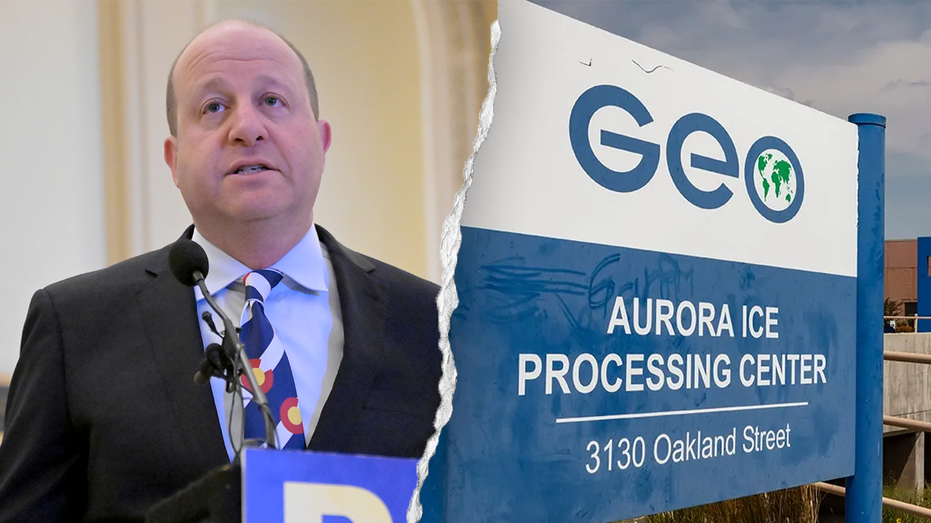
Trump-appointed judge blocks blue state's crackdown on ICE detention center
Read full story at Fox News →Colorado passed a law this past year requiring unannounced inspections of private immigration detention facilities within its borders—a direct jab at the GEO Group's Aurora Detention Facility, which houses roughly 1,500 ICE detainees and has been the subject of repeated abuse allegations and lawsuits. The state's Democratic legislature and governor framed it as a safety and accountability measure, arguing that surprise inspections would catch violations of detainee rights that standard federal oversight misses. But the law created a collision course with federal immigration authority: GEO Group sued, arguing that only the feds can set conditions for federal immigration detention, and Judge Charlotte N. Sweeney—a Trump appointee to the District of Colorado—agreed, blocking the inspections on Supremacy Clause grounds this week.
The concrete stakes here are operational control over a facility holding actual human beings. The Aurora center has been sued repeatedly over conditions, including complaints about medical care, segregation practices, and use of solitary confinement. Colorado's law would have let the state independently verify whether federal standards are actually being met. Now that the inspections are blocked, those independent eyes are legally prohibited. GEO Group gets to operate with only federal oversight—the same federal apparatus that approved the facility in the first place and that advocates say is systematically inadequate.
Judge Sweeney's reasoning hinged on the fact that immigration enforcement is exclusively federal. Once the feds detain someone, the argument goes, states can't unilaterally impose their own conditions or inspection regimes on that detention—it violates the Supremacy Clause and interferes with federal power. This is technically coherent federalism doctrine, but it's also a doctrine that has historically been invoked to prevent states from regulating private contractors doing federal work. The Trump appointee's reading essentially shields the private operator from state-level accountability while the federal government's own inspections remain opaque to the public.
The conservative read: Colorado tried to use state power to circumvent and second-guess federal immigration decisions. If states can unilaterally impose surprise inspections on federal detention facilities, they can impose any conditions they want—staffing ratios, medical requirements, dietary standards—effectively dictating how federal immigration law gets executed on the ground. That's not federalism, it's states blocking federal policy they don't like. The Biden administration wasn't enforcing immigration law aggressively enough for some, and wasn't going to be stopped by others; Colorado's move was just the flip side of the same problem. The court was right to say: the feds set the standard for federal detention, not individual states shopping for outcomes.
What's next: Colorado will likely appeal to the Tenth Circuit, where the case will turn on whether the Supremacy Clause doctrine truly precludes all state inspections of federal facilities, or whether states retain some police power authority over conditions within their borders. That appeal could take months. Meanwhile, the GEO Group keeps operating Aurora under federal oversight only, and any abuse findings made in future federal inspections will remain under the same confidentiality rules that have kept previous incidents from public view. Expect congressional Democrats to push federal transparency legislation; expect the Trump administration to oppose it.