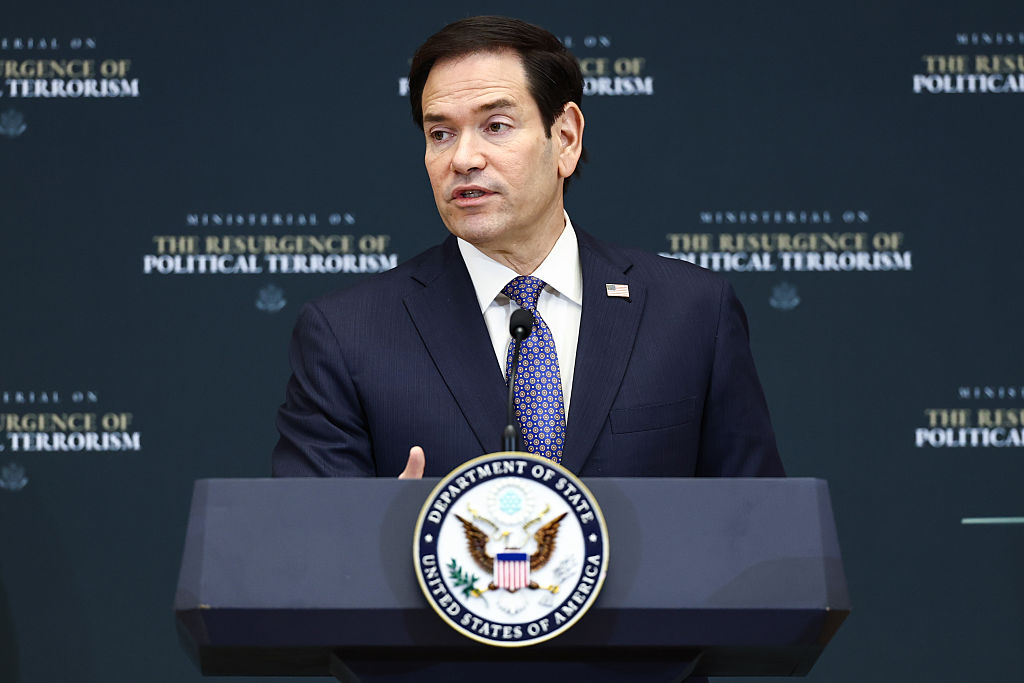
900 Visas Revoked in Birth Tourism Crackdown: State Department
Read full story at Epoch Times →# Why This Matters
The State Department under Secretary Marco Rubio has revoked 900 visas connected to birth tourism operations, marking the first coordinated enforcement action targeting the practice at scale. Birth tourism—where foreign nationals enter the U.S. on visitor visas specifically to give birth and obtain citizenship for their children—has operated in a legal gray zone for decades. Visa holders aren't technically breaking the law by entering with tourist intent and later giving birth, but the State Department's interpretation now treats the documented intent to obtain birthright citizenship as visa fraud. The 900 revocations represent visitors primarily from China, Russia, and several Middle Eastern countries who were flagged through financial records, social media, and coordination with immigration authorities at delivery hospitals in California, Florida, and New York.
What makes this enforcement novel is the mechanism. Rather than prosecuting individual cases through courts—a slow and resource-intensive approach—the State Department is using visa revocation authority to deny re-entry and invalidate existing travel documents. This affects not just the original visa holder but potentially their children born in the U.S., who retain citizenship but may face complications sponsoring relatives or parents for visas later. The revocation also creates a precedent for treating intent at the time of entry as the relevant standard, not what actually happens after arrival. For birth tourism operators who charge $15,000 to $40,000 per package, this introduces real legal risk to their client base and supply chains.
Birth tourism has operated openly in American suburbs for at least two decades. Fertility clinics, maternity hotels, and visa consultants have built a cottage industry around the practice, with some estimates suggesting 10,000 to 15,000 births per year to foreign nationals specifically pursuing citizenship. The practice is legal in the sense that birthright citizenship under the 14th Amendment doesn't distinguish between children of citizens and non-citizens, and entering on a visitor visa isn't itself illegal. But the State Department's shift treats the *motive* behind the visa application—not the act itself—as grounds for revocation. This is a narrower legal claim than prosecution for visa fraud would require.
The conservative case here is straightforward: birthright citizenship was designed to protect formerly enslaved people and their descendants, not to serve as a backdoor immigration system for wealthy foreigners seeking to anchor relatives in the U.S. If you enter the country under false pretenses—claiming you're a tourist when you're actually here to have a baby and obtain citizenship—that's fraud, regardless of whether the birth itself is legal. Birth tourism creates a two-tiered system where affluent foreigners can purchase citizenship for their children while American citizens wait years for relatives to immigrate legally. The visa revocation tool is the appropriate enforcement mechanism because it doesn't require proving intent in court; it simply applies the law as stated—visitor visas are for visitors, not for obtaining citizenship benefits.
The immediate target is the ecosystem that facilitates birth tourism. Visa revocations make the service less attractive because clients lose their travel documents and face barriers to returning to the U.S., reducing the customer base for maternity hotels and intermediaries. The State Department has also coordinated with hospitals to flag suspicious cases, which means medical providers now face implicit pressure to report pregnant foreign nationals to immigration authorities. This creates a chilling effect on prenatal care access for undocumented immigrants as well as legitimate visitors.
Watch for two developments: first, whether the State Department expands revocations beyond the initial 900 or applies the same standard to visa applicants at consulates before they enter (making denial at application the first line of defense). Second, litigation is likely—the American Civil Liberties Union and immigration advocates will challenge whether visa revocation based on inferred intent violates due process, and whether hospitals can be conscripted into immigration enforcement without explicit statutory authority. The 14th Amendment's birthright citizenship clause itself may come under pressure if this enforcement succeeds in reducing birth tourism significantly, which could encourage legislative challenges to the amendment itself.