I just sued my county after they claimed a tech firm owns my location data
Read full story at Washington Examiner →# Why This Matters
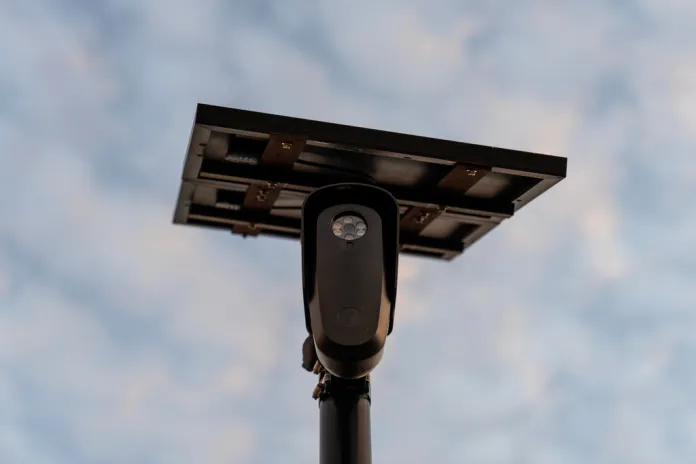
Flock Safety has quietly built the largest surveillance network in American law enforcement without ever going through public deliberation. The Atlanta-based company's cameras now operate in more than 6,000 jurisdictions across 49 states, creating a permanent record of vehicle movements that police can query retroactively. The cameras use automatic license plate recognition (ALPR) technology to photograph every car that passes, storing the data indefinitely in Flock's cloud servers. This isn't experimental—it's the default operation of American policing in 2024, yet most Americans have no idea their daily commute is being catalogued by a private company.
The lawsuit described in the Washington Examiner report hinges on a specific question: who owns location data once it's collected? The plaintiff argues their county has no right to hand over tracking information to a private firm without consent. The concrete stakes are massive. If courts rule that governments can transfer citizens' location histories to private companies without restriction, we've created a permanent surveillance infrastructure that survives across administrations and police departments. A single Flock query about your location on a specific date becomes admissible in court, divorce proceedings, or civil litigation—retroactively, years after the drive happened. Flock's terms of service allow law enforcement to request historical data for any vehicle, not just suspects.
The precedent here runs back to the Supreme Court's 2018 Carpenter v. United States decision, which ruled that the government needs a warrant to access historical cell phone location data because it reveals intimate details of daily life. The Carpenter ruling was narrow—it covered phone records—but the logic was sweeping: the Fourth Amendment protects people's movements over time, not just their current location. Flock's business model essentially bypasses Carpenter by inserting a private intermediary. Police claim they're collecting images, not data. Flock claims it's just a software platform. No government agency claims it's "their" data to monitor. The legal structure is deliberately ambiguous.
The conservative argument is straightforward: private companies should not be storing citizens' location data on behalf of government, and governments should not be transferring that data without explicit statutory authority. This isn't a partisan issue about police powers. This is about whether a corporation can build a license-plate surveillance panopticon and sell the product to thousands of local governments without any of them getting explicit authorization from voters or legislatures. Flock's expansion has happened through routine municipal contracts, often with minimal city council discussion. The company has spent aggressively on government relations—it's not a scrappy startup anymore, it's a $3 billion surveillance giant. The question is whether local governments even have the power to consent to this arrangement on behalf of citizens.
Watch for the ruling in this specific case, but more immediately, watch state legislatures. California, New York, and Massachusetts have begun restricting ALPR data retention and access. If courts side with the plaintiff that counties can't unilaterally transfer location data to private firms, the next battleground will be statutory. Can states legally authorize what this lawsuit says is illegal? Flock has already hired lobbyists in multiple states. The company will push for legislation that explicitly permits what's currently in legal limbo. That legislative battle—happening now, in real time—will determine whether Flock's surveillance network becomes normalized or gets regulated. The deadline is the next legislative session in each state. Flock's not waiting.