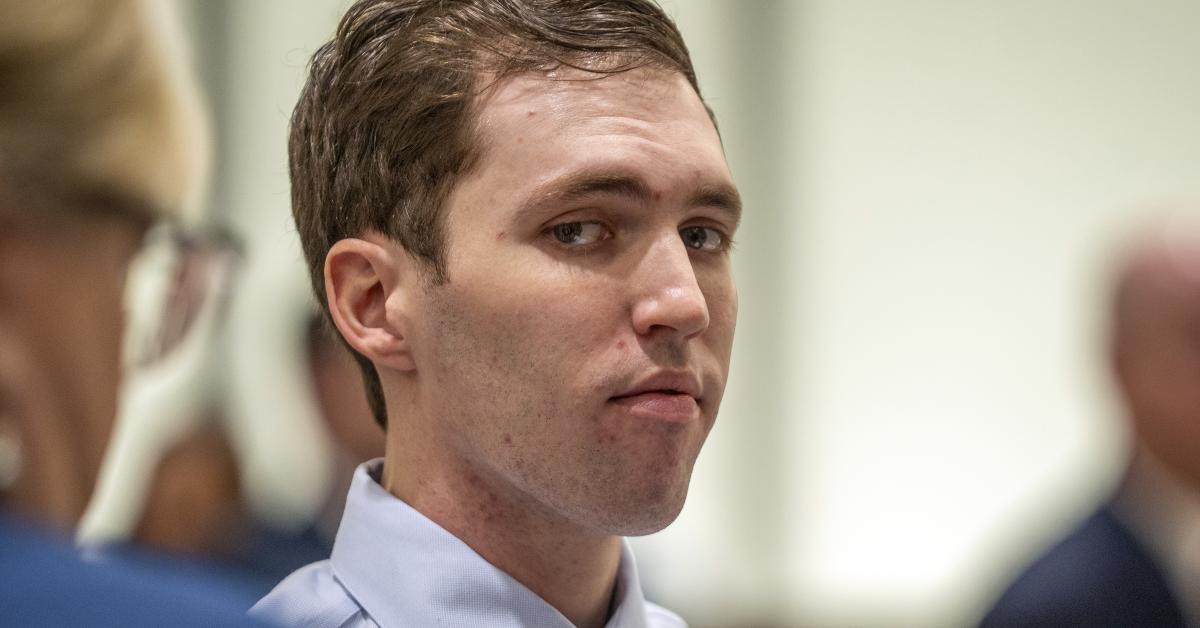
Bullet engraving could be key to whether prosecutors seek death penalty in Charlie Kirk case
Read full story at Just the News →# Why This Matters
Tyler Robinson, 23, is accused of firing a bullet through the window of Charlie Kirk's Scottsdale, Arizona home in July 2024—a shot that missed Kirk but struck the wall behind where he was sitting. What makes this case potentially capital is the forensic detail investigators are now examining: whether Robinson deliberately engraved or marked the bullet itself before firing it. If prosecutors can prove the bullet bore political messaging or symbology directed at Kirk—the Turning Point USA founder and prominent conservative commentator—it transforms the legal narrative from attempted murder into an act prosecutors may argue warrants death penalty consideration under Arizona's aggravated murder statutes.
The engraving detail matters because it's evidence of premeditation and motive. A random shot could be reckless; a marked bullet suggests Robinson identified his target, selected his weapon, and added a symbolic layer to the act. Bullet engraving is not new to forensic investigation, but using it to establish political animus as a capital aggravator is relatively rare in American prosecutions. Arizona law allows capital charges when murder is committed with premeditation and involves "multiple circumstances or factors" showing calculated intent. A physically altered projectile with political messaging could satisfy that threshold in a way a standard round cannot.
The conservative argument here is straightforward: If someone engraves a bullet with anti-Kirk messaging and fires it through his home window, prosecutors have a duty to pursue maximum accountability. Kirk, whatever his public profile, is a private citizen in his own residence. That Robinson allegedly targeted him based on political views—not robbery, not personal dispute, but ideological opposition—represents the kind of political violence that used to unite Republicans and Democrats in condemning it uniformly. Refusing to pursue capital charges because the defendant's motive was political would effectively place a discount on the lives of outspoken conservatives.
Robinson remains in custody without bail. His defense team will likely argue that even if the bullet was marked, it doesn't prove intent to kill Kirk specifically—a claim complicated by the window shot but not impossible to advance. The real pivot point is the Maricopa County prosecutor's office decision, expected in coming weeks, on whether to file a notice of intent to seek the death penalty. That filing forces Robinson's defense to choose between negotiating a life sentence or proceeding to trial with capital consequences on the table. Notably, Arizona has executed only three people since 1990, and none since 2022, which gives defense attorneys some leverage in plea discussions even with a marked bullet in evidence.
What to watch: the prosecutor's formal charging decision and whether the bullet engraving evidence is made public before trial. If the engraving exists and contains political messaging, that disclosure alone will reshape media coverage and set the terms for jury selection. A second marker is whether Robinson's digital records—phone, social media, computer—contain communications about targeting Kirk specifically, which could either reinforce or undermine the "marked bullet" narrative prosecutors are building.