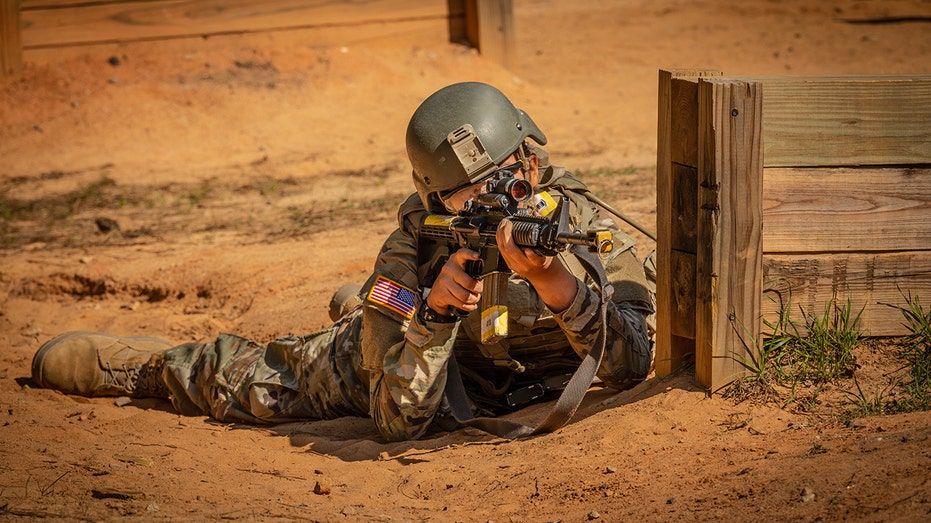
'No better group': Veteran says special ops should get same concealed carry permit as retired cops
Read full story at Fox News →A retired Army Special Forces master sergeant named Jeremy Brown is pushing legislation that would grant concealed carry reciprocity across all 50 states to former special operations personnel—the same privilege that currently exists for retired law enforcement officers under the 1004 Law Enforcement Officers Safety Act. The bill, formally titled the Special Operations Forces Concealed Carry Act, would create a federal carve-out allowing veterans with certain qualifications (typically 10+ years in special ops, honorable discharge, and passing an FBI background check) to carry concealed firearms nationwide without navigating conflicting state permitting systems. The LEOSA, passed in 2004, already lets retired cops carry in all states. Brown's argument is straightforward: if a retired NYPD officer can legally carry in California, a retired Delta Force operator should have the same authority.
The mechanics matter here because most Americans don't realize concealed carry law is a patchwork of 50 separate regimes. A Florida resident with a permit can't legally carry in New York or California. But LEOSA carved out an exception—one federal standard that overrides state law for retired law enforcement. Brown contends special operations veterans undergo background vetting as rigorous as any cop's, face longer operational commitments, and often work in higher-threat environments. Supporters include the Special Operations Association and retired commanders like former Joint Special Operations Command chief Admiral William McRaven, who've testified that operators require the same protections as police. The proposal has bipartisan backing, with sponsorship from both parties in Congress, though it hasn't moved out of committee in recent sessions.
This echoes a broader pattern from the post-9/11 era: Congress regularly carved out exceptions to gun rules for federal agents and law enforcement, treating them as a protected class distinct from civilians. The difference now is Brown's framing—he's arguing the carve-out is too narrow. He's not asking for a new right but extension of an existing one, which is politically safer terrain than debating whether anyone should carry concealed nationwide. The argument implicitly validates the LEOSA precedent while challenging its boundaries, which is why it's gained traction across ideological lines rather than triggering the usual Second Amendment culture wars.
The conservative read here isn't really about gun rights—it's about recognizing a category of Americans who've literally bet their lives on their judgment and training. If you trust a 23-year-old police officer with a concealed weapon across state lines, the logic goes, you should trust a 45-year-old operator who's spent a decade in higher-stress combat environments. There's no principled reason to draw the line at retirement from law enforcement. The bill also avoids the anarchist edge of universal constitutional carry arguments; it's not saying everyone should be able to carry—it's saying trained professionals who've already cleared federal vetting should get the same courtesy. For guys like Brown, this is about professional recognition, not libertarian ideology. That framing actually makes it legislatively viable, which is why it keeps reappearing.
The pending question is timing and committee movement. The bill has been reintroduced in the current Congress but hasn't advanced to a floor vote in either chamber. The real test comes if it reaches the House Judiciary Committee or its Senate counterpart with genuine momentum—that would signal either a leadership shift toward gun reciprocity more broadly or bipartisan consensus that this specific category warrants exception. Watch for either committee scheduling a hearing or a companion bill getting co-sponsorships above 50 (threshold often signals serious momentum). If it passes, it becomes the first expansion of LEOSA-style privileges since 2004, functionally creating a second protected class for federal reciprocity and potentially opening the door to similar arguments from other groups—intelligence officers, federal agents, etc. That's the dominoes-falling risk opponents cite, and why this isn't just about special ops guys with carry permits.