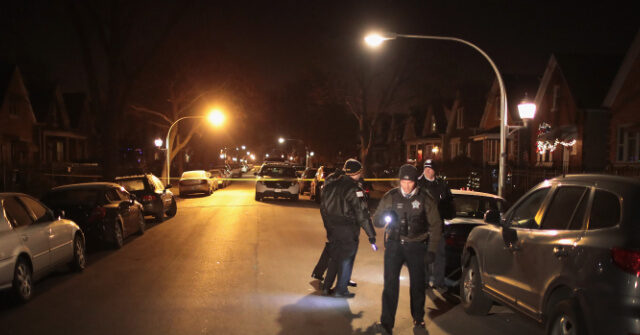
Report: Chicago Has More Murders in 2026 than All Major Cities in Pro-Gun Florida Combined
Read full story at Breitbart →Chicago's 2026 murder count has crossed 750 homicides as of mid-year, according to data compiled by the Major Cities Chiefs Association. That figure exceeds the combined totals from Jacksonville, Miami, Tampa, Orlando, and Fort Lauderdale—five of Florida's largest urban centers where gun ownership rates run substantially higher than Illinois and permit laws are significantly looser. The disparity isn't marginal: Chicago's pace tracks toward roughly 1,500 murders for the full year, while those five Florida cities combined are approaching 650. This raw comparison sits at the center of a collision between two competing narratives about the relationship between gun regulations and urban violence.
The context matters. Chicago has operated under some of the nation's strictest firearms regulations since the 1980s—handgun bans remained law until a 2010 Supreme Court ruling forced the city to license them. Illinois requires FOID cards (Firearm Owners ID) for any gun possession, universal background checks, and a 72-hour waiting period. Florida, by contrast, has constitutional carry (permitless carry became law in 2023), no state-level waiting period, and relatively permissive licensing. The murder gap exists despite—or because of, depending on your analysis—this regulatory gulf. Chicago's homicides cluster in specific South and West Side neighborhoods; most involve young men in gang-affiliated disputes over territory and drug markets. Florida's murders distribute more evenly across its urban landscape, with a different demographic and motive profile.
The precedent here is instructive. The Brady Center and other gun-control advocates spent two decades citing Chicago as an argument for stricter national standards—the reasoning being that local gun laws fail when surrounding areas allow easy purchase and trafficking across state lines. That argument cratered when neighboring Indiana saw no corresponding spike in gun prosecutions relative to national rates, and when researchers failed to establish that the bulk of Chicago crime guns came from Indiana straw purchases. Now the same data is being repurposed as evidence that gun control itself doesn't reduce homicides, only that the relationship is more complex than either side wants to admit.
The conservative read is direct: Chicago has proven that restrictions on law-abiding gun owners do not correlate with public safety. The city has disarmed its citizens while violent criminals ignore every statute on the books. Meanwhile, Florida—where normal people can carry firearms without state permission—maintains lower body counts despite comparable or larger urban populations in some metros. The conclusion isn't subtle: gun regulations protect the criminal element by ensuring their victims can't defend themselves, while doing nothing to stop the actual murders. Chicago's failure is a 40-year experiment that should end.
What to watch: The Major Cities Chiefs Association will release its full 2026 homicide report in early 2027, which will include year-end tallies and comparative analysis by region. That document will be cited heavily in ongoing litigation over Illinois carry laws—a case already pending in federal court challenging some of the state's restrictions passed after a 2022 shooting. Chicago city council is also debating additional gun ordinances for 2027, including expanded restricted zones and ammunition registration, which will inevitably trigger another federal challenge if passed.