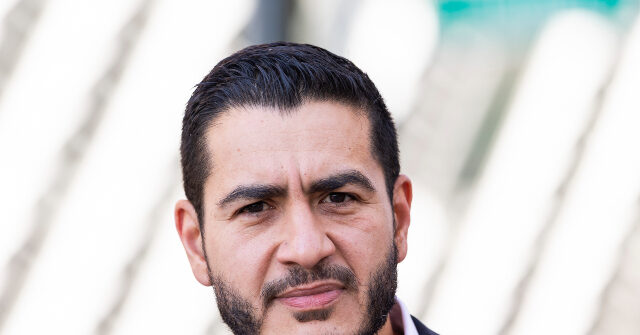
Report: Michigan's Leftist U.S. Senate Nominee Abdul El-Sayed Attacked Fourth of July Fireworks and Second Amendment in Deleted Videos
Read full story at Breitbart →Abdul El-Sayed, the physician and former Detroit health director running for Michigan's U.S. Senate seat as a Democrat, deleted multiple videos from his social media accounts in which he criticized Fourth of July fireworks and made statements about the Second Amendment, according to reporting that surfaced this week. El-Sayed is challenging incumbent Senator Gary Peters in 2024 after running for Michigan governor in 2018, where he finished third in the Democratic primary. The deleted content appears to have been scrubbed from his platforms ahead of the general election cycle, suggesting his campaign recognized the material could damage his candidacy in a state where gun ownership and holiday traditions carry significant cultural weight.
In one of the deleted videos, El-Sayed questioned why Americans celebrate Independence Day with fireworks, a comment that landed poorly given fireworks' centrality to Fourth of July observance. More significantly, he apparently made remarks suggesting the Second Amendment itself should be eliminated or substantially altered—a position that goes beyond typical Democratic gun control advocacy and ventures into constitutional amendment territory. The timing of the deletions is notable: El-Sayed has been positioning himself as a mainstream Democrat capable of winning statewide office, and these videos contradicted that positioning by revealing positions that alienate moderate and working-class voters in Michigan's industrial regions where gun ownership is normalized.
The conservative read here is straightforward: this is a candidate who held radical positions, recognized they were politically toxic once he became a serious contender for statewide office, and attempted to erase the evidence rather than defend them or explain an evolution in thinking. The deletion itself becomes the story—it suggests El-Sayed doesn't believe what he said, or doesn't believe Michigan voters will accept it, and chose concealment over transparency. For voters skeptical of Democratic intentions on Second Amendment issues, the scrubbing confirms their suspicion that the party's leadership holds positions it won't openly defend during elections.
Michigan is a swing state where gun politics matter enormously. Peters, the incumbent, has walked a careful line on Second Amendment issues; he supports some gun control measures but has avoided calling for constitutional changes. El-Sayed's deleted remarks, if they gain traction, could create an opening for Peters to run as the more moderate Democrat or even for a Republican challenger to paint the entire Democratic field as anti-gun. The state has roughly 1.5 million registered hunters and a deeply embedded shooting sports culture, making Second Amendment absolutism a minority position but gun rights a baseline expectation.
What to watch: whether Peters' campaign or Republican groups amplify these deleted videos as the race intensifies, and whether El-Sayed is forced to issue a statement clarifying or defending his previous positions. The next critical moment will be any candidate forum or debate where he's asked directly about the deletions and what he actually believes about Second Amendment reform. His answer—whether he doubles down, walks back, or claims the videos were mischaracterized—will define how this issue plays in the final stretch before the November election.